
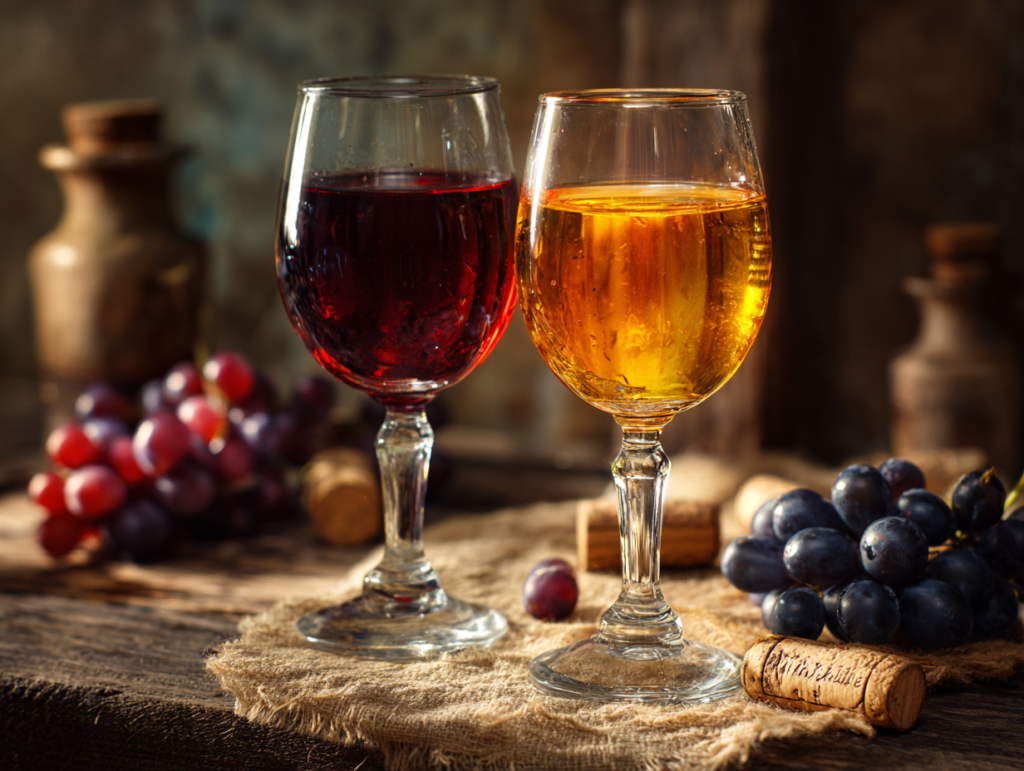
Wine lovers often find themselves wondering — Sweet vs Dry Wine: How to Tell what exactly makes one wine sweet and another dry? The difference goes beyond taste; it’s about sugar content, fermentation, and even the winemaking process. In this guide, we’ll help you understand how to tell whether a wine is sweet or dry, how to choose one that suits your palate, and why each style offers its own unique experience.
Dry wines are often associated with a more refined, less sugary taste, while sweet wines are known for their rich, fruity profiles. Knowing the difference helps you pair your wine better with food, select bottles you’ll actually enjoy, and even make healthier choices.
Table of Contents
Understanding the Basics: What Makes Wine Sweet or Dry
When we talk about sweet vs dry wine, the key factor is residual sugar — the amount of natural grape sugar left after fermentation.
- Sweet wine: The fermentation process is stopped before all the sugar turns into alcohol. The result? A wine with noticeable sweetness.
- Dry wine: Fermentation continues until nearly all the sugar is converted to alcohol, leaving very little residual sugar behind.
Other factors also affect perceived sweetness:
- Acidity: High-acid wines can taste less sweet even if they contain sugar.
- Alcohol content: Higher alcohol can add warmth and balance sweetness.
- Tannins: Found mainly in red wines, tannins add bitterness that can mask sweetness.
Understanding these details helps you tell at a glance whether a wine will taste sweet or dry — and why your palate may prefer one over the other.
Is Dry Wine Stronger Than Sweet Wine?
Many people assume that dry wine is stronger simply because it tastes less sweet. However, this isn’t always true. The alcohol content (ABV), not sweetness, determines a wine’s strength.
Generally:
- Dry wines often have 12–15% ABV, because the yeast consumes more sugar, turning it into alcohol.
- Sweet wines can have 8–13% ABV, since fermentation stops earlier, leaving more sugar behind.
That said, there are exceptions — for example, fortified dessert wines like Port or Sherry can reach up to 20% ABV while still tasting sweet.
💡 Tip: Check the wine label. A higher percentage (above 13%) often indicates a drier style with more alcohol, but always confirm by reading the description.
How to Know Which Wine Is Sweeter
If you’re trying to choose between sweet and dry wines, here’s how to tell the difference quickly:
- Look at the label:
- Terms like “off-dry,” “semi-sweet,” or “dessert wine” signal more sugar.
- “Brut,” “Sec,” or “Dry” indicate less sugar.
- Check the grape variety:
- Sweeter wines: Moscato, Riesling, Gewürztraminer, and Lambrusco.
- Drier wines: Sauvignon Blanc, Cabernet Sauvignon, Merlot, and Pinot Noir.
- Smell and taste:
- Sweet wines smell more like honey, tropical fruit, or flowers.
- Dry wines often have earthy, herbal, or mineral notes.
- Ask for residual sugar levels (RS):
- Wines under 10 g/L RS are dry.
- Wines over 35 g/L RS are considered sweet.
If you enjoy fruity, dessert-like flavors, go for sweeter wines. If you prefer crisp, refreshing, and food-friendly options, dry wines are your best bet.
Understanding Semi-Sweet vs Semi-Dry Wine
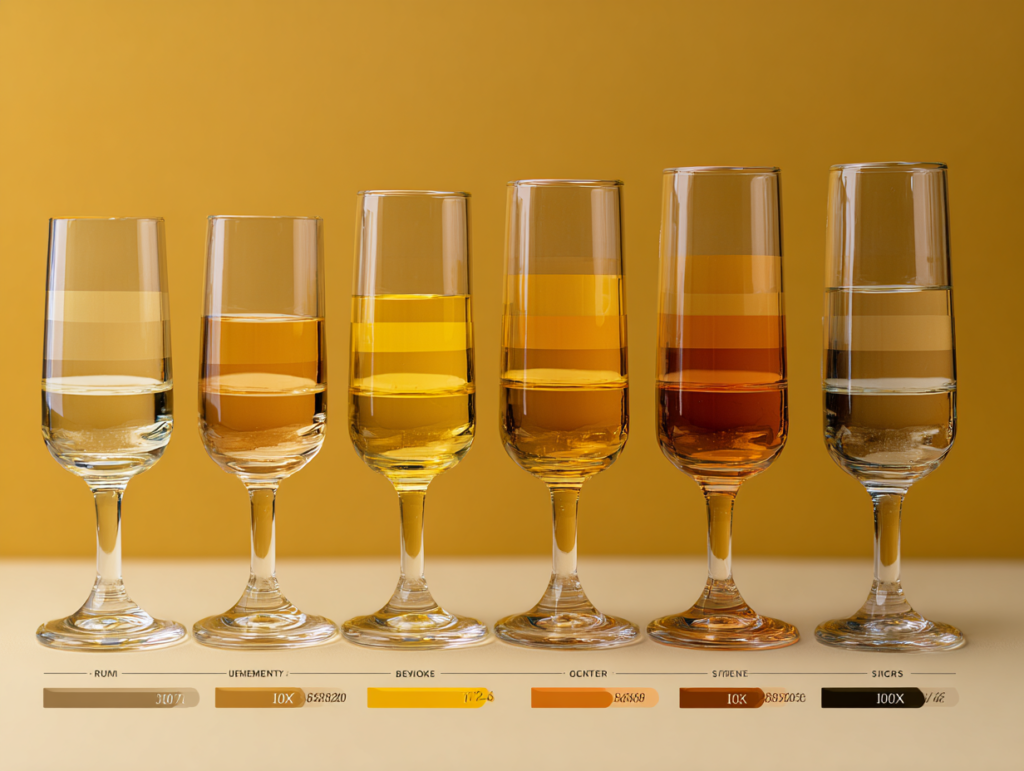
When exploring the world between sweet and dry, you’ll often encounter terms like semi-sweet or semi-dry. These describe wines that sit in the middle of the sweetness spectrum — not overly sugary, but not bone-dry either.
What Is Semi-Sweet Wine?
Semi-sweet wines contain a moderate amount of residual sugar, usually between 20 and 35 grams per liter. You’ll notice hints of sweetness, especially at the tip of your tongue, followed by a smooth, fruit-forward finish.
Common examples include:
- Moscato d’Asti
- Riesling (Kabinett style)
- White Zinfandel
- Some Rosé blends
These wines pair beautifully with spicy dishes, Asian cuisine, or fruit-based desserts because the sweetness balances the heat or acidity in food.
What Is Semi-Dry Wine?
Semi-dry wines, sometimes labeled off-dry, contain slightly less sugar — around 10 to 20 grams per liter. The sweetness is subtle, often masked by the wine’s acidity.
Great examples include:
- Pinot Gris
- Vouvray
- Chenin Blanc
- Some German Rieslings
Semi-dry wines work wonderfully with seafood, mild cheeses, or chicken dishes. They appeal to drinkers who enjoy a hint of sweetness without overwhelming flavor.
💡 Quick Rule: If you can’t decide between sweet or dry, start with a semi-dry or semi-sweet wine — it’s the best middle ground for discovering your preference.
Sweet vs Dry Wine: How They Affect Your Health
When comparing sweet vs dry wine, many wonder — which is better for you? While both can be enjoyed in moderation, they differ in calorie, sugar, and alcohol content.
Calorie and Sugar Content
- Sweet wine: Naturally contains more sugar, which means more calories — typically 120–160 calories per 5 oz glass.
- Dry wine: Contains less sugar, usually 100–120 calories per glass, depending on alcohol level.
If you’re watching your sugar intake or following a low-carb diet, dry wines are generally the healthier choice.
Antioxidants and Heart Benefits
Red wines (both sweet and dry) contain antioxidants like resveratrol and flavonoids, which support heart health. However, dry red wines like Cabernet Sauvignon or Pinot Noir tend to have slightly higher antioxidant concentrations.
Alcohol and Moderation
Remember, wine’s health benefits depend on moderation — about one glass per day for women and two for men. Overconsumption, regardless of sweetness, negates these positive effects.
🍇 Bottom Line: For fewer calories and lower sugar, go dry. For a dessert-like treat or special occasion, a sweet wine is a lovely indulgence.
Food Pairing: Choosing Between Sweet and Dry Wine
Pairing the right wine with food elevates the entire dining experience. The sweetness level plays a huge role in how the flavors interact with your meal.
Best Pairings for Sweet Wine
Sweet wines shine when balanced with salt, spice, or rich flavors. Try pairing them with:
- Spicy Asian or Indian dishes
- Aged cheeses (especially blue cheese)
- Fruit-based desserts like tarts or cobblers
- Foie gras or pâté
Examples: Moscato, Riesling, and Sauternes.
Best Pairings for Dry Wine
Dry wines complement savory and earthy dishes, enhancing umami flavors without overpowering them.
- Red meats like steak or lamb
- Pasta with tomato or mushroom sauces
- Grilled vegetables or roasted chicken
- Hard cheeses like Parmesan or cheddar
Examples: Cabernet Sauvignon, Sauvignon Blanc, and Chardonnay.
💡 Pro Tip: If your dish is sweeter than your wine, the wine will taste overly bitter or acidic. Always match or slightly exceed the sweetness level of the food.
Exploring Popular Examples of Sweet and Dry Wines

To truly appreciate the difference between sweet and dry wines, it helps to recognize some of the most popular examples of each.
Sweet Wines
Sweet wines often feature strong fruit aromas and lush textures, making them favorites for dessert or after-dinner enjoyment.
Top Sweet Wine Examples:
- Moscato d’Asti: Lightly sparkling with peach and apricot notes.
- Port: Fortified red wine from Portugal, rich and full-bodied.
- Riesling (Late Harvest): Floral, citrusy, and honey-sweet.
- Sauternes: French dessert wine with caramel and honey flavors.
- Ice Wine (Eiswein): Made from frozen grapes, intensely sweet.
Dry Wines
Dry wines are crisp, balanced, and versatile for pairing with meals.
Top Dry Wine Examples:
- Sauvignon Blanc: Zesty, citrus-driven white with grassy aromas.
- Chardonnay: Can be buttery or mineral, depending on style.
- Cabernet Sauvignon: Bold red with tannins and black fruit notes.
- Pinot Noir: Elegant, light-bodied red with cherry and spice hints.
- Merlot: Smooth, medium-bodied, perfect for everyday meals.
🍷 Learn more about food and wine balance in our guide to pairing Italian meals with wine.
How Climate and Grapes Influence Sweetness
The natural sweetness or dryness of wine also depends on where and how the grapes are grown.
Climate
- Warm climates (like California, Spain, or Australia) produce grapes with higher sugar levels, leading to sweeter wines.
- Cool climates (like Germany or northern France) yield grapes with more acidity and less sugar — perfect for dry wines.
Grape Varieties
Certain grapes naturally produce sweeter or drier wines:
- Sweeter grapes: Muscat, Gewürztraminer, Riesling.
- Drier grapes: Sauvignon Blanc, Pinot Grigio, Cabernet Sauvignon.
Winemakers adjust fermentation to highlight each grape’s natural characteristics — either preserving sugar for sweetness or fermenting longer for dryness.
Storing and Serving Sweet vs Dry Wines
Serving and storage play key roles in enhancing wine flavor.
Storage Tips
- Sweet wines: Store slightly cooler, around 45–50°F (7–10°C), to preserve freshness and sugar balance.
- Dry wines: Ideal at 50–55°F (10–13°C) to maintain aroma and structure.
Keep bottles lying horizontally in a cool, dark place to keep corks moist and prevent oxidation.
Serving Tips
- Sweet whites: Chill before serving (40–45°F).
- Dry whites: Slightly warmer (45–50°F).
- Dry reds: Serve at room temperature (60–65°F).
- Sweet reds: A touch cooler (55–60°F) to accentuate fruit notes.
The right temperature can completely transform how the sweetness and acidity balance on your palate.
FAQs About Sweet vs Dry Wine
1. Is dry wine stronger than sweet wine?
Not always. While dry wines often have higher alcohol due to full fermentation, sweet wines can also be fortified and strong. Always check the ABV on the label.
2. Is sweet or dry wine better for you?
Dry wine is typically lower in sugar and calories, making it a slightly healthier choice. However, both can fit into a balanced lifestyle when consumed in moderation.
3. How to know which wine is sweeter?
Check the label for terms like “off-dry,” “semi-sweet,” or “dessert.” Residual sugar (RS) under 10 g/L is dry; above 35 g/L is sweet.
4. What is the difference between semi-sweet and semi-dry wine?
Semi-sweet wines have noticeable sugar (20–35 g/L), while semi-dry wines are lighter and more balanced (10–20 g/L).
5. Can dry wine turn sweet over time?
Not exactly. Aging can soften acidity and tannins, making wine seem smoother, but the sugar content doesn’t increase.
6. Does sweet wine give you a worse hangover?
Sweet wines can cause stronger hangovers because of higher sugar and lower hydration. Drinking water and pacing yourself helps prevent this.
Conclusion: Finding Your Perfect Balance
Whether you prefer sweet, dry, or something in between, understanding wine sweetness helps you make confident choices. Dry wines offer crisp, clean finishes ideal for meals, while sweet wines deliver indulgent richness for special occasions.
The best way to discover your preference? Taste both styles side by side. Notice how sweetness, acidity, and alcohol shape the flavor — and let your palate guide you.
🍷 Discover more tips on serving and pairing in our wine and food harmony section at Belicimo.com.
- Learn more about pairing wine with Italian pasta dishes.
- Discover ideas in beginner’s guide to red vs white wine.
- Learn more about how to serve wine at the perfect temperature.
- Explore top affordable European wines to try.