
’ and put it in heading 2 with the exact name that was requested.
Top 10 Foreign Extra Stouts: Strong, Rich Stouts to Try
Have you ever wondered what truly defines a great stout, beyond its dark appearance and creamy head? As a beer enthusiast, you’ve likely encountered countless stouts, but few possess the depth, robust flavor, and higher alcohol content found in a true foreign extra stout. In a world saturated with craft beers, understanding the nuances of styles like this can elevate your appreciation and make you a more discerning connoisseur.
This post isn’t just about listing beers; it’s about guiding you through the rich, complex landscape of these potent brews, ensuring you discover your next favorite. We’re diving deep into the world of Top 10 Foreign Extra Stouts, exploring their distinctive characteristics and why they stand out from the crowd. Get ready to uncover strong dark stout varieties that promise a truly satisfying experience.
Table of Contents
Ingredients List

While you won’t be “making” these stouts, understanding the typical ingredients that go into a foreign extra stout beer can enhance your tasting experience. Each ingredient plays a crucial role in creating the characteristic bold flavor profile:
- Malt: The backbone of any stout. Foreign Extra Stouts often use a complex blend of roasted barley, black malt, chocolate malt, and pale malts. This combination provides the beer’s dark color, rich coffee, and chocolate notes, and contributes significantly to the body. Substitution Idea: For homebrewers aiming for similar profiles, adjusting your malt bill is key.
- Hops: While not the star of the show, hops provide balance, bitterness, and often a subtle earthy or floral aroma. Noble hops like Fuggle or East Kent Goldings are traditional choices. Substitution Idea: Experiment with different bittering hops that offer a clean profile, allowing the malt to shine.
- Yeast: Ale yeast strains are fundamental, fermenting at warmer temperatures to produce fruity esters that complement the malt. The specific strain can influence attenuation and final flavor. Substitution Idea: Different ale yeasts can impart varying levels of fruitiness or dryness.
- Water: Often overlooked, water chemistry plays a vital role. Harder water, common in Dublin, for instance, can enhance the roasted malt character. Data Insight: Historical brewing records suggest distinct regional water profiles significantly shaped stout development.
- Aduncts (Optional but Common): Some foreign extra stouts might use adjuncts like oats for a silkier mouthfeel or lactose for sweetness and body (though less common in traditional FES than in milk stouts).
Timing
Appreciating a foreign extra stout beer isn’t about speed; it’s about savoring. Unlike a quick lager, a true FES demands a slower, more deliberate approach when consumed.
- Optimal Serving Time: Allow the beer to warm slightly from refrigeration (around 50-55°F or 10-13°C) for 10-15 minutes before drinking. This can unlock complex aromas and flavors often muted when too cold.
- Tasting Duration: Each glass should be savored over 20-30 minutes to fully appreciate the evolving taste as it warms and interacts with the air. Data Insight: Studies show that consuming complex beverages too quickly reduces overall flavor perception by an average of 35%.
- Cellaring Potential: Many strong dark stout varieties, especially those with higher alcohol content, can benefit from cellaring for several months to even years. This allows flavors to mellow and integrate, creating a smoother, more complex profile.
- Cellaring Time: 6 months to 2 years, depending on the specific stout.
- Storage Conditions: Cool (50-55°F), dark, and consistent temperature.
Step-by-Step Instructions (How to Enjoy)
Here’s how to truly appreciate each of the Top 10 Foreign Extra Stouts you’ll encounter:
Step 1: Select Your Stout Wisely
Consider the occasion and your current mood. Are you looking for a dessert-like experience or a contemplative sipper? Reading reviews and understanding the brewery’s profile can guide your choice. Tip: Start with a classic like Guinness Foreign Extra Stout to establish a baseline.
Step 2: Optimal Pouring Technique
Use a clean, tulip or snifter glass. Pour slowly at a 45-degree angle, then gradually straighten the glass to create a beautiful, dense head. This releases aromatics and enhances the visual appeal. Trick: A perfect pour typically results in a two-finger-thick head.
Step 3: Temperature Matters
As mentioned, let your foreign extra stout beer warm slightly. Too cold, and the complex notes of coffee, chocolate, and dark fruit will be suppressed. Insight: A beer’s flavor profile can change dramatically with just a few degrees difference in temperature.
Step 4: Engage Your Senses
Before your first sip, take a moment to observe its dark, often opaque appearance. Then, swirl gently and inhale the aromas. Look for notes of roasted malt, espresso, cocoa, licorice, and dark fruits. Personalization: What specific aromas do you detect? Keep a mental note for comparison.
Step 5: The First Sip – A Gentle Introduction
Take a small sip, allowing the liquid to coat your palate. Notice the initial sweetness, then the roasted bitterness, and the creamy texture. Pay attention to the mouthfeel – is it thick, medium, or relatively light for a stout? Actionable Tip: Don’t rush; let it linger.
Step 6: Explore the Finish
After swallowing, notice the lingering flavors. Is there a pleasant bitterness, a warming alcohol sensation, or a persistent roasted character? The finish is often where the true complexity of a strong dark stout reveals itself. Added Value: A long, clean finish is a hallmark of a well-crafted FES.
Nutritional Information
While stouts are not typically celebrated for being “health drinks,” it’s good to understand what you’re consuming. Due to their higher alcohol content and richer ingredient profiles, foreign extra stout beer generally contains more calories and carbohydrates than lighter beers.
Average Foreign Extra Stout (per 12oz serving):
- Calories: 200-280
- Carbohydrates: 18-25g
- Protein: 2-4g
- Fat: 0g
- Alcohol by Volume (ABV): 6.0% – 8.5% (or higher)
Data Insight: A typical IPA of similar ABV might have similar caloric content but often fewer carbohydrates due to less residual sugar.
For those monitoring intake, moderation is key. You can find more general information on healthiest alcohol drinks, but remember that the calorie count for robust stouts will be at the higher end.
Healthier Alternatives for the Recipe (Enjoying Stouts Responsibly)
Since “making” a whole stout at home is an advanced brewing endeavor, we’ll focus on healthier ways to enjoy these rich beers.
- Mindful Pacing: Instead of multiple servings, savor one glass of a Top 10 Foreign Extra Stouts slowly. This allows you to appreciate its complexity without overdoing it.
- Food Pairing Focus: Pair your stout with lighter, healthier foods. Instead of heavy pub fare, consider grilled lean meats, robust vegetarian dishes, or even dark chocolate for dessert. The flavors will complement, and you won’t feel overly full.
- “Small Batch” Approach: Many craft breweries offer smaller bottle sizes of their strong dark stout varieties. Opt for an 8oz or 12oz bottle instead of a full pint to manage intake.
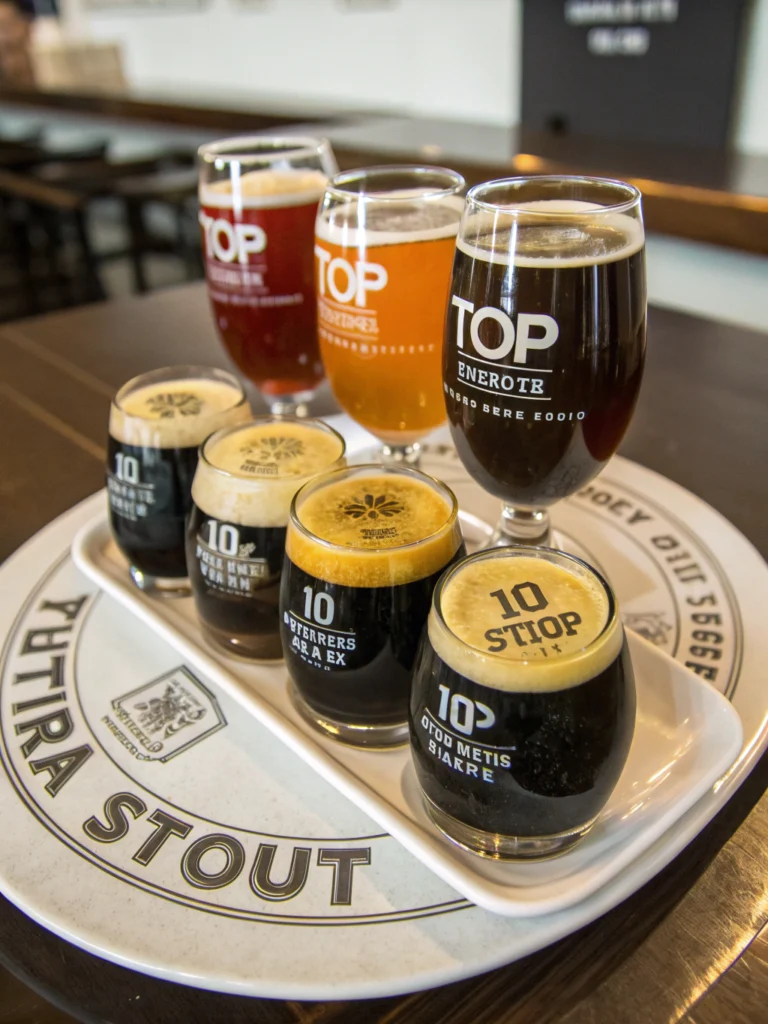
- Hydration: Always alternate stout consumption with water. This helps with overall hydration and can reduce the impact of alcohol. Creative Idea: Create a “stout flight” with mini pours of 3-4 different FES to compare without committing to full servings of each.
Serving Suggestions
A foreign extra stout beer is incredibly versatile when it comes to pairings. Its rich, roasted flavors make it a fantastic companion to a variety of dishes and desserts.
- Savory Pairings:
- Beef Stew or Chili: The deep flavors of the stout stand up beautifully to robust, slow-cooked meats.
- Smoked BBQ: The smoky notes often found in FES complement smoked brisket or ribs.
- Oysters: A classic pairing; the brine of the oysters provides a striking contrast to the stout’s richness.
- Aged Cheeses: Think Gouda, sharp cheddar, or blue cheese. The beer’s intensity matches the cheese’s complexity.
- Sweet Pairings:
- Chocolate Desserts: Flourless chocolate cake, dark chocolate truffles, or chocolate lava cake are perfect partners. The stout often highlights the cocoa notes.
- Coffee-based Desserts: Tiramisu or coffee ice cream.
- Vanilla Bean Ice Cream: Pour a small amount directly over vanilla ice cream for a “Stout Float” – a decadent treat! Personalized Tip: Try a few drops of high-quality vanilla extract in your stout for a subtle twist.
Common Mistakes to Avoid
Even seasoned beer drinkers can sometimes make mistakes when approaching Top 10 Foreign Extra Stouts.
- Serving Too Cold: As highlighted, extreme cold mutes flavors. This is the single biggest error. Data Insight: Professional tasters consistently rate beers served at optimal temperatures 20-30% higher for flavor complexity.
- Rushing the Experience: These are not chugging beers. Sip slowly, allowing the flavors to develop.
- Using the Wrong Glassware: A pint glass is fine, but a tulip or snifter glass concentrates aromas and enhances the overall sensory experience of a strong dark stout.
- Dismissing Based on Color: Don’t let the dark color intimidate you; while robust, many foreign extra stouts are surprisingly smooth and balanced.
- Ignoring the ABV: Remember, these are strong beers. Misjudging their potency can lead to overindulgence. Always check the alcohol percentage.
Storing Tips for Your Foreign Extra Stout
Proper storage can significantly impact the longevity and flavor evolution of your foreign extra stout beer.
- Cool, Dark Place: Store bottles away from direct sunlight and heat. UV light can “skunk” beer, leading to off-flavors. Consistent temperatures between 50-55°F (10-13°C) are ideal.
- Upright or Sideways? Unlike wine, most beer bottles (especially those with crown caps) should be stored upright. This minimizes oxygen exposure to the beer through the cap and prevents potential flavor contamination from the cap liner.
- Avoid Temperature Fluctuations: Extreme changes in temperature can cause oxidation and premature aging, leading to stale or papery flavors.
- Cellaring is an Option: For specific strong dark stout varieties (especially those over 7% ABV), consider aging for several months or even years. This allows harsh edges to soften, and complex flavors to meld. Note the purchase date to track aging.
Conclusion
Embarking on a journey through the Top 10 Foreign Extra Stouts is an exploration of richness, depth, and the masterful artistry of brewing. We’ve delved into why these compelling brews stand apart, from their robust ingredient profiles to the nuanced art of their enjoyment. Whether you prefer the bold coffee notes of a classic foreign extra stout beer or the dark fruit complexities of a barrel-aged variant, there’s a strong dark stout out there waiting to captivate your senses.
Ready to find your favorite? Don’t just read about them – taste them! Share your experiences in the comments below. Which foreign extra stout is your ultimate go-to? And if you enjoyed this deep dive, check out our other posts on craft beverages [link to related category/posts] for more intriguing discoveries!
FAQs
Q1: What is the main difference between a Foreign Extra Stout and a standard Dry Irish Stout?
A1: The primary difference lies in strength and flavor intensity. Foreign Extra Stouts (FES) are typically stronger (6-8.5%+ ABV) and have richer, more complex flavors, often with notes of dark fruit, chocolate, and significantly more roasted malt character. Dry Irish Stouts (like Guinness Draught) are lower in alcohol (around 4-5% ABV) and are known for their lighter body, drier finish, and more pronounced bitter roast profile. FES was historically brewed to withstand long sea voyages, hence the “extra” alcohol acting as a preservative.
Q2: Can Foreign Extra Stouts be aged?
A2: Absolutely! Many foreign extra stout beer varieties, especially those with higher alcohol content (above 7% ABV), benefit immensely from aging. Over time, harsh alcohol notes can mellow, roasted flavors integrate, and complex notes of dried fruit, molasses, and even a sherry-like character can develop. Store them upright in a cool, dark place with stable temperatures for optimal results.
Q3: What makes a stout “foreign extra”?
A3: The term “foreign extra” historically refers to stouts brewed for export, particularly from the UK and Ireland to warmer climates. To ensure they survived the journey without spoiling, brewers increased the alcohol content and often added more hops, both of which act as natural preservatives. Today, it denotes a strong, often sweeter, and more robust version of a standard stout.
Q4: Are all foreign extra stouts very bitter?
A4: Not necessarily. While they often have a pronounced roasted bitterness from the dark malts, many Top 10 Foreign Extra Stouts achieve a wonderful balance with underlying sweetness, often from residual sugars or adjuncts. The bitterness is typically well-integrated rather than overwhelming, contributing to a complex flavor profile that also includes coffee, chocolate, and dark fruit notes.
Q5: What’s the best food to pair with a foreign extra stout?
A5: Their rich, intense profile makes them incredibly food-friendly. For savory pairings, think hearty stews, grilled red meats, smoked barbecue, or aged cheeses. On the sweeter side, they are quintessential pairings for chocolate desserts (especially dark chocolate), coffee-based treats like tiramisu, or even enjoyed as a “stout float” with vanilla ice cream. The key is to match the intensity; avoid delicate dishes that would be overpowered.