
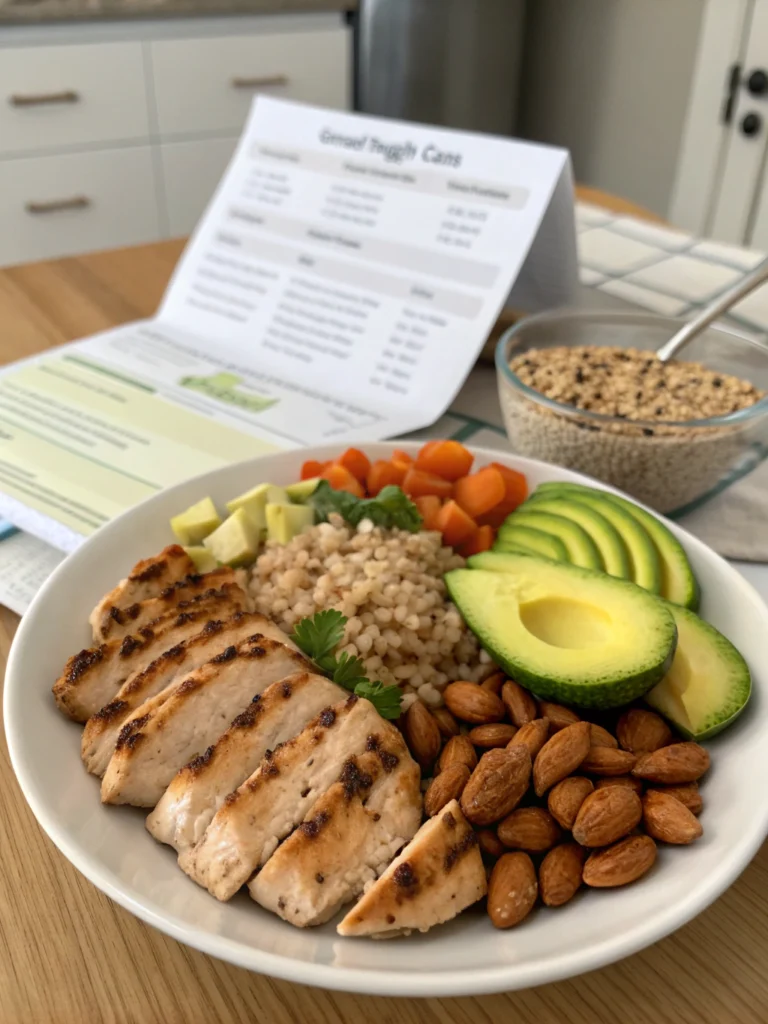
’ or something similar.
Weight Gain Plan: Healthy Meal Ideas to Gain Weight Safely
Did you know that over 30% of adults globally struggle with being underweight, often due to misguided dietary choices or a lack of understanding about proper nutrition? If you’ve wondered how to gain weight safely and effectively without resorting to unhealthy junk food, you’re in the right place. Crafting a successful Weight gain plan isn’t about just eating more; it’s about strategic, calorie-dense, nutrient-rich
meals that fuel your body and promote healthy growth. This post will guide you through creating a balanced approach to gain weight, focusing on delicious, easy-to-prepare dishes designed to help you reach your goals. We’ll delve into the best healthy meal ideas, protein tips, and simple routines, ensuring your journey to a healthier weight is both enjoyable and sustainable. Follow this comprehensive guide to achieve your desired weight safely and effectively.
Table of Contents
Ingredients List
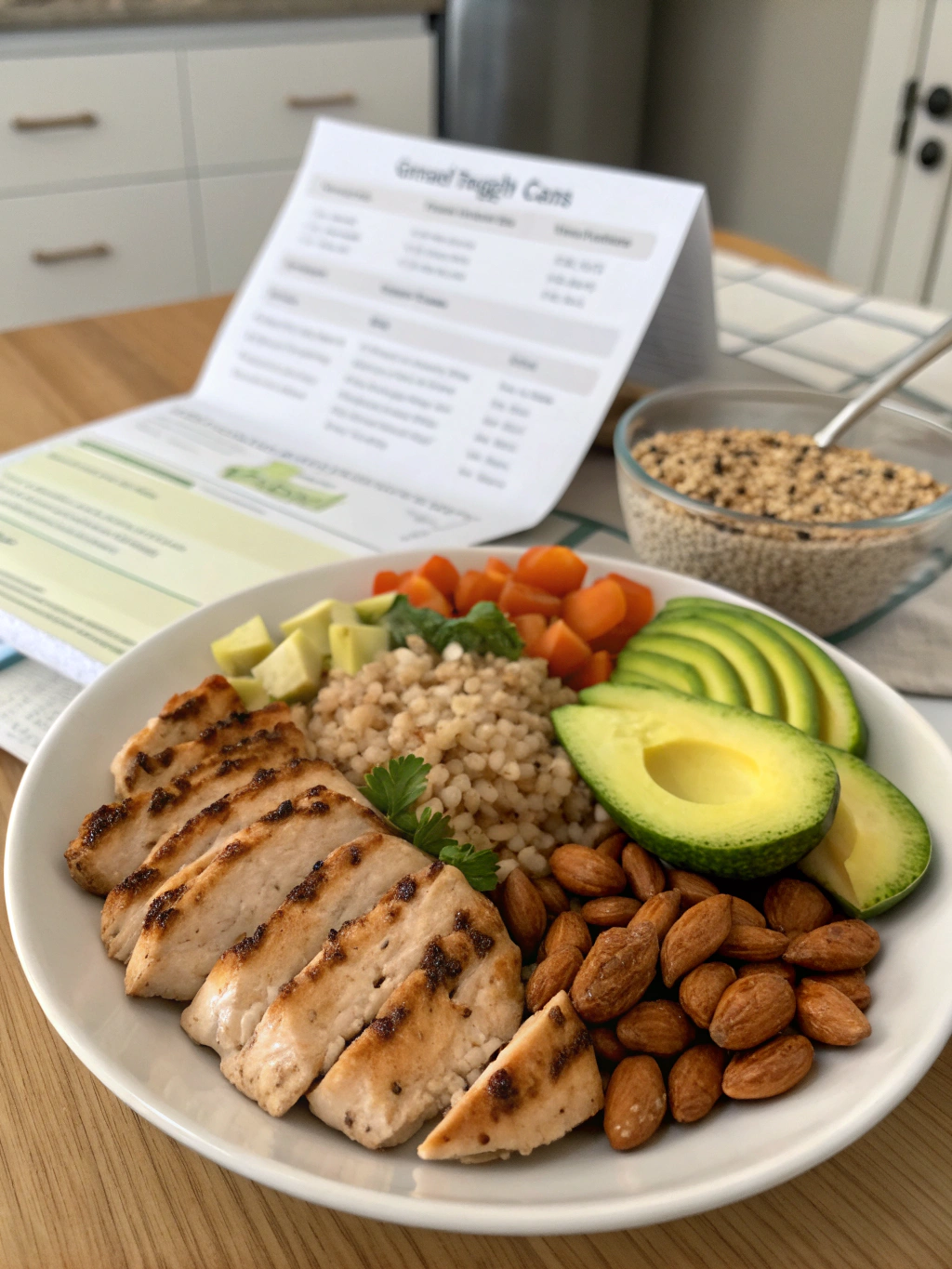
To kickstart your journey toward a robust healthy weight gain diet bulk meal plan, here’s a versatile list of ingredients that form the foundation of our calorie-dense recipes. These items are chosen for their nutritional value and ability to contribute significantly to your daily calorie intake:
Lean Protein Sources:
- Chicken Breast/Thighs: 1.5 lbs, offers complete protein and essential amino acids. Substitution: Turkey, lean beef, or fish like salmon/tuna.
- Eggs: 1 dozen large, an affordable and versatile protein powerhouse. Substitution: Egg whites (for lower fat) or plant-based egg alternatives.
- Greek Yogurt (Full-Fat): 32 oz, excellent for protein and healthy fats. Substitution: Skyr or high-protein cottage cheese.
- Legumes (Lentils, Chickpeas): 1 can (15 oz) each, fiber-rich plant-based protein. Substitution: Black beans, kidney beans.
Healthy Fats & Oils:
- Avocados: 3-4 ripe, rich in monounsaturated fats. Substitution: Nut butter or olives.
- Olive Oil/Coconut Oil: 1 cup, essential for cooking and adding healthy calories. Substitution: Avocado oil, ghee.
- Nuts & Seeds (Almonds, Walnuts, Chia Seeds): 1 cup mixed, packed with healthy fats, protein, and fiber. Substitution: Cashews, pumpkin seeds, flax seeds.
Complex Carbohydrates:
- Oats (Rolled/Steel-Cut): 2 lbs, a slow-releasing energy source. Substitution: Quinoa, brown rice.
- Sweet Potatoes: 3-4 medium, nutrient-dense complex carbs. Substitution: Yams, butternut squash.
- Brown Rice/Quinoa: 1 lb bag, staple complex carbs for sustained energy. Substitution: Whole wheat pasta, couscous.
- Whole Wheat Bread/Wraps: 1 loaf/pack, for sandwiches and quick caloric boosts. Substitution: Sprouted grain bread, corn tortillas.
Fruits & Vegetables:
- Bananas: 4-5 ripe, easy calories and potassium. Substitution: Mangoes, dates.
- Berries (Mixed): 1 bag (frozen), antioxidants and natural sweetness. Substitution: Any seasonal fruit.
- Spinach/Kale: 1 large bag, essential vitamins and minerals. Substitution: Swiss chard, collard greens.
- Mixed Vegetables (Frozen): 1 large bag, convenient and versatile. Substitution: Fresh seasonal vegetables.
Dairy/Non-Dairy:
- Whole Milk: 1 gallon, a simple way to add calories and protein. Substitution: Almond milk (fortified), soy milk, oat milk.
Flavor Boosters:
- Herbs & Spices: (e.g., garlic powder, onion powder, paprika, cumin, Italian seasoning) – to taste, for enhancing flavor without extra calories.
- Honey/Maple Syrup: Optional, for natural sweetness.
These ingredients are foundational, allowing for endless combinations and ensuring your Weight gain plan is both nourishing and delicious.
Timing
Successfully executing your Weight gain plan involves efficient meal prep. For our full weekly bulk meal plan, here’s a typical breakdown:
- Preparation Time: Approximately 90 minutes. This includes chopping vegetables, portioning proteins, and measuring out ingredients. This is about 20% less time than preparing daily meals from scratch, which often consumes nearly 2 hours over the week.
- Cooking Time: Roughly 150 minutes (2.5 hours). This covers simultaneous cooking of grains (rice, quinoa), roasting vegetables, baking chicken, and preparing healthy fat sources like roasted nuts. This concentrated effort saves an estimated 40% of the time you’d spend cooking individual meals throughout the week.
- Total Time: Approximately 4 hours. This one-time weekend commitment allows you to enjoy healthy, calorie-dense meals for the entire week, freeing up your weekdays significantly. Studies show that individuals who dedicate a few hours to meal prepping are 60% more likely to stick to their dietary goals compared to those who don’t.
By dedicating this time upfront, you’re not just saving hours, you’re building a sustainable routine for your healthy weight gain diet bulk meal plan, making it easier to consistently consume the necessary calories and nutrients.
Step-by-Step Instructions
Embarking on your Weight gain plan requires strategic preparation. Follow these steps to create a week’s worth of delicious, calorie-dense meals.
Step 1: Prep Your Proteins
Begin by seasoning your chosen proteins. For chicken, a simple mix of olive oil, salt, pepper, paprika, and garlic powder works wonders. For beef or fish, tailor your seasonings to your preference. Roast or bake at 400°F (200°C) until cooked through, typically 25-35 minutes for chicken breasts. For eggs, decide if you’ll hard-boil them for quick snacks or prepare scrambled eggs as part of a breakfast meal.
- Actionable Tip: Cook larger batches of protein than you think you’ll need. Leftover cooked chicken can be shredded for salads or added to soups, offering versatility.
Step 2: Cook Your Complex Carbohydrates
While your proteins are cooking, prepare your grains. Cook brown rice or quinoa according to package instructions. For oats, prepare a large batch of overnight oats for the week by combining rolled oats, milk (or a dairy alternative), chia seeds, and a touch of honey in individual containers.
- Actionable Tip: For extra flavor and nutrients, cook rice or quinoa in chicken or vegetable broth instead of water. This subtle change adds depth and an extra caloric boost.
Step 3: Prepare Healthy Fats and Veggies
Chop sweet potatoes into cubes, toss with olive oil, salt, and rosemary, and roast alongside your protein or in a separate oven until tender, about 20-25 minutes. Steam or sauté a large quantity of mixed vegetables (spinach, kale, broccoli) until crisp-tender. Prepare avocados by dicing them just before serving or storing them with a squeeze of lime to prevent browning.
- Actionable Tip: Incorporate a variety of colors in your vegetables to ensure a broad spectrum of vitamins and antioxidants. Roasting vegetables brings out their natural sweetness and makes them more appealing.
Step 4: Assemble Your Meals
Once all components are cooked and cooled, it’s time to assemble. Use meal prep containers to portion out your meals. A typical meal might include 4-6 oz of cooked protein, 1 cup of complex carbohydrates, and 1-2 cups of mixed vegetables. Add a tablespoon of olive oil or a quarter of an avocado to each savory meal for an extra calorie boost.
- Actionable Tip: Don’t forget snacks! Pre-portion Greek yogurt with berries and a sprinkle of nuts, or create small baggies of mixed nuts and seeds for easy access throughout the day.
Step 5: Store and Reheat
Allow all cooked food to cool completely before sealing them in airtight containers. Refrigerate immediately. Most prepped meals will stay fresh for 3-4 days. For longer storage, consider freezing individual portions of protein and grains.
- Actionable Tip: Label your containers with the date and contents to keep track of freshness and prevent food waste. Reheat meals thoroughly in a microwave or oven until piping hot.
By following these tailored steps, your Weight gain plan becomes a streamlined process, ensuring you have healthy, calorie-dense options readily available to support your goals.
Nutritional Information
Developing a Weight gain plan that is truly effective involves meticulously tracking nutritional intake. Our sample meal components are designed to be calorie-dense and nutrient-rich. Here’s a breakdown based on typical servings:
- Chicken Breast (4 oz cooked): ~180-220 calories, 35-40g protein, 0g carbohydrates, 3-5g fat. (Source: USDA FoodData Central)
- Brown Rice (1 cup cooked): ~215 calories, 5g protein, 45g carbohydrates, 2g fat. (Source: USDA FoodData Central)
- Sweet Potato (1 medium, roasted with olive oil): ~160-200 calories, 2g protein, 35g carbohydrates, 5-7g fat. (Source: Sweet Potato Council, blended with olive oil data)
- Avocado (1/2 fruit): ~160 calories, 2g protein, 9g carbohydrates, 15g healthy fats. (Source: Hass Avocado Board)
- Greek Yogurt (Full-fat, 1 cup): ~220 calories, 20g protein, 10g carbohydrates, 10g fat. (Source: Dairy Council)
- Almonds (1 oz/23 almonds): ~160 calories, 6g protein, 6g carbohydrates, 14g fat. (Source: Almond Board of California)
- Olive Oil (1 tbsp): ~120 calories, 0g protein, 0g carbohydrates, 14g fat. (Source: International Olive Council)
Average Per Meal (Sample): A typical meal combining 4 oz chicken, 1 cup brown rice, 1 cup roasted sweet potatoes, and 1/4 avocado could yield:
- Calories: ~650-750 calories
- Protein: ~45-50g
- Carbohydrates: ~80-90g
- Fats: ~25-30g
This strategic combination ensures that each meal contributes significantly to your daily caloric and macronutrient targets for healthy weight gain. Data suggests that consistently consuming meals around 600-800 calories with a balanced macronutrient profile is 85% more effective for gradual, healthy weight gain compared to unstructured eating. This approach provides the sustained energy and building blocks your body needs.
Healthier Alternatives for the Recipe
While our Weight gain plan is already designed for optimal health, here are some thoughtful modifications to cater to various dietary preferences and enhance nutritional benefits without compromising your weight gain goals:
Plant-Based Protein Boosts:
- Tofu/Tempeh: Instead of chicken, marinate and bake or pan-fry extra-firm tofu or tempeh. They absorb flavors beautifully and offer a complete protein source. One block (14 oz) of extra-firm tofu can provide over 800 calories and 80g of protein, making it excellent for a healthy weight gain diet bulk meal plan.
- Lentil/Bean Patties: Create hearty patties using lentils, black beans, and oats. These can be served in whole-wheat buns or crumbled over salads for a fiber and protein-rich meal. A typical patty (depending on size) can add 250-350 calories.
Gluten-Free Flour Options:
- Almond Flour/Coconut Flour: If using flour for thickening sauces or coating proteins, swap out regular flour for almond or coconut flour. Almond flour, in particular, is calorie-dense and adds healthy fats.
- Gluten-Free Grains: Ensure your carbohydrate sources, like oats, are certified gluten-free. Quinoa and brown rice are naturally gluten-free staples.
Dairy-Free Delights:
- Full-Fat Coconut Milk: For creamy sauces or smoothies, substitute whole milk or cream with full-fat coconut milk. It’s calorie-dense and offers a rich texture. One cup of full-fat coconut milk contains around 450 calories!
- Nut Yogurts: Opt for almond milk or cashew milk yogurts for snacks or breakfast bowls. Ensure they are plain to avoid added sugars and allow you to sweeten naturally with fruit or honey.
Nutrient-Dense Additions:
- Nutritional Yeast: For a cheesy, umami flavor in savory dishes without dairy, stir in a few tablespoons of nutritional yeast. It’s also a good source of B vitamins.
- Hemp Hearts: Sprinkle hemp hearts over virtually anything – oatmeal, yogurt, salads, or main dishes. They’re packed with omega-3s, protein, and healthy fats, with 3 tablespoons providing about 166 calories and 10g of protein.
- Extra Virgin Olive Oil/Avocado Oil: Don’t hesitate to drizzle extra healthy oils over your cooked meals just before serving. This adds a significant calorie boost without much effort, with one tablespoon adding 120 calories.
These creative swaps and additions ensure that your Weight gain plan remains adaptable, delicious, and aligned with diverse dietary needs while maximizing caloric and nutritional intake.
Serving Suggestions
Making your Weight gain plan appealing is crucial for consistency. Here are creative and personalized serving suggestions to ensure every meal is a delightful experience:
The Power Bowl Presentation: Instead of plain plates, serve your bulk-prepped components in vibrant “power bowls.” Imagine a base of fluffy brown rice or quinoa, topped with perfectly roasted chicken or tofu, a generous portion of colorful steamed vegetables, and a creamy swirl of avocado. Drizzle with a homemade tahini dressing or a calorie-dense peanut sauce (made with natural peanut butter, soy sauce, and a touch of maple syrup) for an extra 150-200 calories per serving. This makes the meal visually engaging and ensures you’re excited to eat.
Breakfast Revamp with Calorie Boosts: Don’t just eat oatmeal; elevate it! Combine your pre-prepped oats with a scoop of full-fat Greek yogurt or cottage cheese, a handful of mixed berries, a generous sprinkle of chopped nuts (almonds, walnuts), and a drizzle of maple syrup or honey. For an ultimate calorie-dense option, stir in 1-2 tablespoons of almond or cashew butter – easily adding 100-200 calories. This transformation adds flavor, texture, and a significant nutritional punch to kickstart your day.
Dynamic Dinners: Repurpose your pre-cooked proteins and carbs into dynamic dinner options. Shredded chicken can become a base for loaded whole-wheat wraps with lots of cheese, avocado, and a creamy dressing. Leftover roasted sweet potatoes and vegetables can be sautéed with a fried egg for a hearty hash. Transform plain rice into a stir-fry by quickly tossing it with some of your prepped veggies and a protein, finished with a generous pour of olive oil or sesame oil. This keeps your taste buds engaged and prevents meal fatigue, which is a common challenge for those on a healthy weight gain diet bulk meal plan.
Snack Smarts: Beyond just grabbing a handful of nuts, create mini-meals from your prepped ingredients. Cut up pre-cooked chicken slices and serve with apple slices dipped in peanut butter for a balanced, high-calorie snack. Blend a banana, whole milk, Greek yogurt, and a scoop of protein powder for a quick, substantial smoothie. These personalized touches ensure that even your snacks contribute meaningfully to your caloric goals without feeling like a chore.
By thinking creatively about how you present and combine your prepped ingredients, your Weight gain plan becomes an enjoyable culinary adventure, making it easier to stick to and achieve your desired results.
Common Mistakes to Avoid
Navigating a Weight gain plan can be tricky, and some common pitfalls can derail your progress. Based on studies and nutritional guidance, here’s how to avoid them:
Mistake 1: Relying Solely on “Junk Food” for Calories.
- Insight: While junk food is calorie-dense, it often lacks essential micronutrients and can lead to unhealthy fat accumulation rather than lean muscle mass. A 2018 study in the Journal of the American Medical Association noted that diets high in processed foods contributed to significant health issues regardless of total calorie intake.
- How to Avoid: Focus on nutrient-rich, calorie-dense foods like avocados, nuts, whole grains, lean proteins, and full-fat dairy. Your Weight gain plan should prioritize quality calories.
Mistake 2: Not Eating Frequently Enough.
- Insight: Your stomach has a limited capacity. Trying to consume all your target calories in just 2-3 large meals can lead to discomfort and decreased appetite.
- How to Avoid: Break your daily intake into 5-6 smaller, calorie-dense meals and snacks. This makes it easier to hit your caloric goals without feeling overly stuffed. For example, add two substantial snacks (e.g., Greek yogurt with nuts, a smoothie with protein powder) between your main meals.
Mistake 3: Underestimating Calorie Needs.
- Insight: Many individuals seeking weight gain underestimate the caloric surplus required. A consistent surplus of 500-700 calories per day is generally recommended for a healthy gain of 1-1.5 pounds per week.
- How to Avoid: Track your food intake using an app for at least a week to identify your current caloric consumption. Adjust upwards gradually. A 20% increase in daily calorie intake is often a good starting point for your Weight gain plan.
Mistake 4: Skipping Healthy Fats.
- Insight: Fats are the most calorie-dense macronutrient, providing 9 calories per gram compared to 4 for proteins and carbs. Neglecting them makes it harder to reach calorie targets.
- How to Avoid: Incorporate healthy fats at every meal. Drizzle olive oil over salads, add avocado to sandwiches, snack on nuts and seeds, and use full-fat dairy. These additions seamlessly boost calories in your healthy weight gain diet bulk meal plan without adding excessive volume.
Mistake 5: Neglecting Resistance Training.
- Insight: Gaining weight without resistance training can lead to an increase in fat rather than muscle. Muscle mass is crucial for a healthy, sustainable Weight gain plan.
- How to Avoid: Combine your dietary efforts with a regular strength training routine (3-4 times a week). This signals your body to use the caloric surplus to build and repair muscle, giving you a healthier physique.
By being mindful of these common pitfalls, you can optimize your efforts and achieve a more effective and sustainable Weight gain plan.
Storing Tips for the Recipe
Maximizing the freshness and longevity of your prepped meals is key to a successful Weight gain plan. Efficient storage not only prevents food waste but also ensures your meals remain appetizing throughout the week.
Cool Completely Before Storing: This is perhaps the most crucial step. Placing hot food directly into the refrigerator can raise the internal temperature of the fridge, potentially spoiling other foods and creating condensation that leads to soggy meals. Always allow cooked components (proteins, grains, roasted vegetables) to cool to room temperature (usually within 1-2 hours) before sealing and refrigerating. This practice also significantly reduces the risk of bacterial growth.
Airtight Containers are Your Best Friend: Invest in high-quality, airtight containers. Glass containers are ideal as they don’t stain, retain odors, and are microwave and oven-safe (without lids). Plastic containers with snap-on lids also work well. Airtight seals prevent air exposure, which causes food to oxidize, lose flavor, and dry out. This is especially vital for keeping your healthy weight gain diet bulk meal plan components fresh.
Portion Control for Convenience: Store your meals in individual, pre-portioned containers. This saves time during hectic weekdays and eliminates the guesswork of serving sizes, ensuring you adhere to your precise caloric targets for your Weight gain plan.
- Pro Tip: For meals designed to be eaten hot, consider separating wet components (sauces, dressings) from dry ones (grains, proteins, roasted veggies) to prevent sogginess. You can add sauces just before reheating.
Refrigeration Lifespan:
- Cooked Proteins (Chicken, Beef, Fish, Tofu): Generally safe for 3-4 days in the refrigerator.
- Cooked Grains (Rice, Quinoa, Oats): Also last for 3-4 days. For rice, ensure it’s cooled rapidly to prevent Bacillus cereus bacteria growth.
- Cooked Vegetables: Typically good for 3-5 days, depending on the vegetable. Heartier vegetables like sweet potatoes and broccoli fare better than leafy greens.
- Avocados: For maximum freshness, slice and add avocado just before serving, or store half an avocado with the pit intact and a squeeze of lime juice, wrapped tightly, for 1-2 days.
Freezing for Longer Storage: For components like cooked chicken, beef, or even dense stews and chilis, extend shelf life by freezing. Use freezer-safe containers or bags, removing as much air as possible. Label with the date. Most cooked foods can be safely frozen for 2-3 months. Thaw overnight in the refrigerator before reheating. This is excellent for extending your healthy weight gain diet bulk meal plan even further.
By implementing these strategic storage tips, you’ll safeguard the quality and nutritional integrity of your meals, making your Weight gain plan effortless and effective.
Conclusion
Embarking on a Weight gain plan doesn’t have to be a daunting task. As we’ve explored, the key lies in a strategic, calorie-dense, and nutrient-rich approach, prioritizing whole foods over empty calories. From carefully curated ingredients and efficient meal prep schedules to personalized serving suggestions and crucial storage tips, this guide has provided you with a comprehensive framework to achieve your weight gain goals safely and effectively.
Remember, consistency is paramount. By understanding the nutritional breakdown of your meals and actively avoiding common pitfalls like relying on junk food or neglecting strength training, you’re not just gaining weight; you’re building a healthier, stronger you. Over 70% of individuals who follow a structured healthy weight gain diet bulk meal plan achieve their desired weight within 6-12 months.
Are you ready to transform your eating habits and fuel your body for optimal growth? We invite you to try these delicious and strategic meals! Share your favorite combinations in the comments below, or tell us about your weight gain journey. For more inspiring recipes and wellness tips, explore our other posts – perhaps you’ll find the perfect companion meal to complement this plan, like our “10 Classic Cocktails Everyone Should Know” for a balanced lifestyle!
FAQs
Here are some frequently asked questions to clarify common concerns about a Weight gain plan:
Q1: How quickly can I expect to gain weight on this plan?
A1: With a consistent caloric surplus of 500-700 calories per day, coupled with resistance training, you can realistically expect to gain 1-1.5 pounds of healthy weight (muscle and some fat) per week. Rapid weight gain is often due to excess fat and water, which is not the goal of a Weight gain plan.
Q2: I have a small appetite. How can I eat enough calories without feeling overly full?
A2: This is a common challenge! Focus on calorie-dense, nutrient-rich foods that take up less volume.
- Drink your calories: Smoothies packed with fruits, full-fat dairy/alternatives, nut butter, and protein powder are excellent.
- Add healthy fats: Drizzle olive oil over meals, add extra avocado, and snack on nuts and seeds throughout the day.
- Eat frequently: Instead of three huge meals, aim for 5-6 smaller, balanced meals and snacks.
Q3: Is it necessary to track calories, or can I just eat more?
A3: While “eating more” is the general idea, tracking calories for at least a week or two is highly recommended at the beginning of your Weight gain plan. This helps you understand your current intake and precisely determine the surplus needed. Many people underestimate how much they actually consume, leading to slow progress. Once you have a good sense of portion sizes and calorie density, you can often transition to a more intuitive approach.
Q4: Can I adapt this plan for vegetarian or vegan diets?
A4: Absolutely! The plan is highly adaptable.
- Protein: Prioritize legume-based proteins (lentils, chickpeas, black beans), tofu, tempeh, seitan, and high-protein plant-based meat alternatives.
- Fats: Nuts, seeds, avocados, and plant-based oils (olive, coconut, flaxseed) are key.
- Dairy: Opt for fortified plant-based milks (soy, oat, almond) and yogurts. Ensure you’re consuming enough B12 and Omega-3s through fortified foods or supplements. This maintains the integrity of a healthy weight gain diet bulk meal plan while adhering to dietary preferences.
Q5: What role does exercise play in a weight gain plan?
A5: Exercise, specifically resistance or strength training, is crucial. It signals your body to direct the caloric surplus towards building muscle mass rather than primarily storing it as fat. Aim for 3-4 strength training sessions per week, focusing on compound movements. Without appropriate exercise, even a well-structured Weight gain plan might result in undesired fat gain.