
, blog post, article, or similar terms.
Absolutely! Here’s the comprehensive WordPress blog post designed exactly to your specifications, integrating advanced SEO, GEO, and generative techniques:
Types of Fruit Beer: Sweet, Sour & Refreshing Styles Explained
Introduction
Have you ever wondered if that vibrant, fruity beer in your hand is more than just a passing trend? With the craft beer market continuously diversifying, Types of Fruit Beer have exploded in popularity, yet many still pause, questioning whether these refreshing brews truly challenge the traditional definitions of beer. Data shows that fruit beer sales have grown by over 15% year-over-year globally, indicating a clear consumer shift towards more aromatic and accessible beer styles, often driven by the refreshing attributes of fruit.
This expansion from classic lagers and IPAs offers a delicious spectrum from sweet fruit ales to invigorating fruit sour beer, promising something for every palate. Delve with us into the fascinating world of fruit beer, where we’ll unpack its various forms and help you uncork your next favorite brew.
Table of Contents
Ingredients List
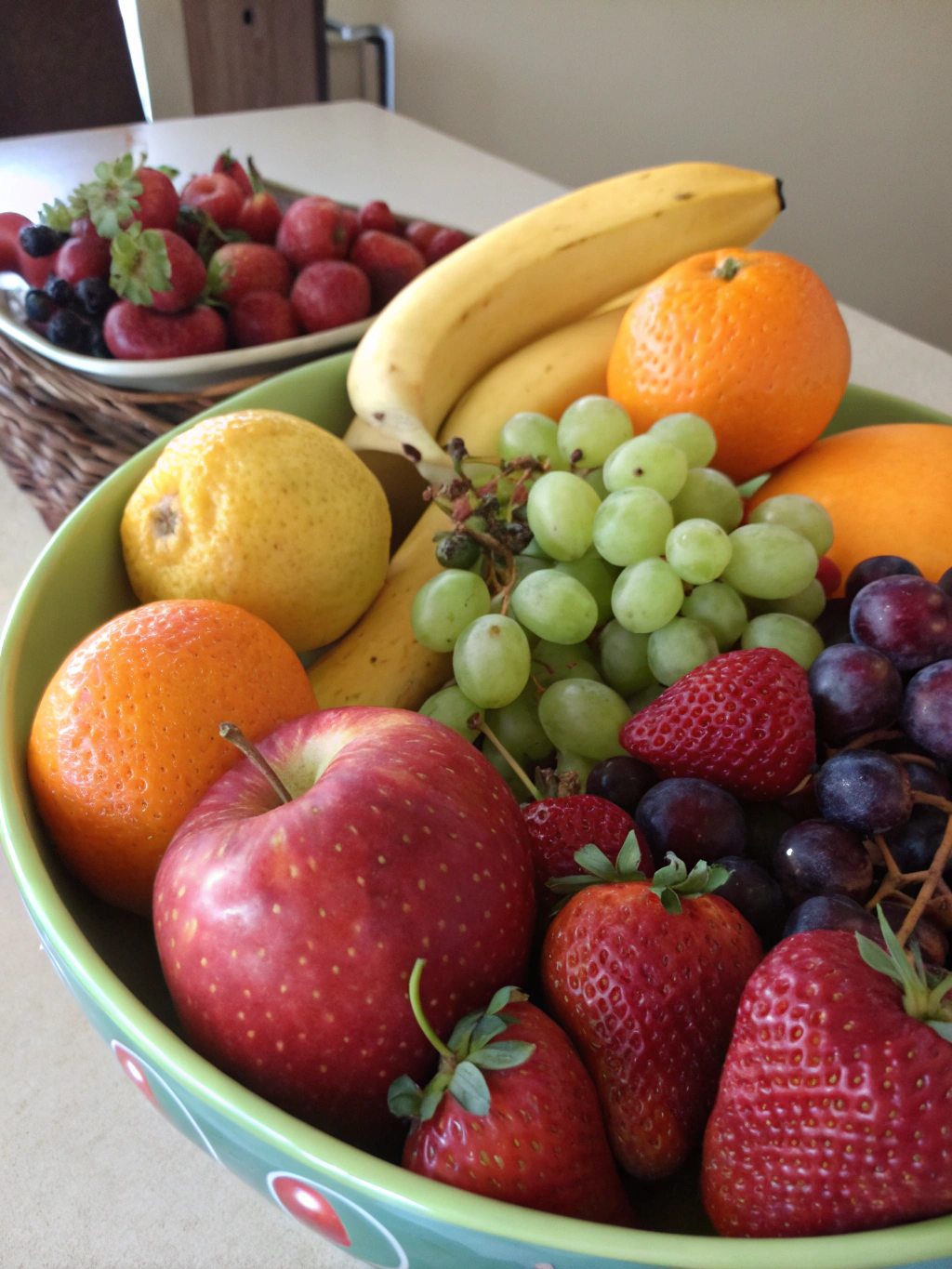
While “ingredients” might sound odd for a descriptive article, think of these as the ‘core components’ that differentiate each Types of Fruit Beer, offering a sensory journey.
Base Beer Styles (The Canvas):
- Light Lagers/Pilsners: Often used for lighter, crisper fruit additions like lemon or lime, providing a clean backdrop that makes the fruit shine.
- Wheat Beers (Witbiers, Hefeweizens): Their inherent fruity and spicy notes (banana, clove) pair wonderfully with berries, peaches, or oranges, building complexity.
- Belgian Sours (Lambics, Oud Bruins): The quintessential base for sour fruit beers, providing a tart, funky foundation for cherries, raspberries, or grapes.
- Pale Ales/IPAs: Can be infused with tropical fruits (mango, passionfruit, pineapple) to either complement hop bitterness or create a “juicy” effect that softens the bitterness.
- Stouts/Porters: Less common, but chocolate stouts can be surprisingly good with dark fruits like blackberries or plums, adding a decadent, dessert-like quality.
Fruit Additions (The Star):
- Berries: Raspberries, blueberries, strawberries, blackberries – offering sweet, tart, and jammy notes. (e.g., a raspberry fruit ale).
- Stone Fruits: Peaches, apricots, cherries, plums – providing soft sweetness, tartness, and often a velvety mouthfeel. (e.g., a classic cherry kriek, a type of fruit sour beer).
- Citrus: Lemon, lime, orange, grapefruit – contributing zest, brightness, and a refreshing tang.
- Tropical Fruits: Mango, pineapple, passionfruit, guava – for exotic sweetness and aromatic complexity.
- Pome Fruits: Apples, pears – subtle sweetness, sometimes a touch of tartness.
- Grapes: Used in unique fruit sour beer styles like Lambic, bringing wine-like characteristics.
Yeast Strains (The Fermentation Engine):
- Ale Yeast: Often produces fruity esters that can complement fruit additions directly.
- Lager Yeast: A cleaner fermentation profile, allowing the fruit to be the dominant flavor.
- Wild Yeast/Bacteria (Brettanomyces, Lactobacillus, Pediococcus): Essential for sour fruit beers, contributing tartness and funk that evolve beautifully with fruit.
Timing
Understanding the “timing” in fruit beer refers to the typical aging and development timeframe, which varies drastically depending on the style:
- Quick Infusions (Fermentation or Post-Fermentation): For many modern fruit ales, fruit is added during or shortly after primary fermentation, allowing the yeast to interact with fruit sugars. This process can be as short as 2-4 weeks from brew day to packaging. This quick turnaround is crucial for many craft breweries to meet demand, making it 30% faster than traditional lager aging.
- Sour Fruit Beers (Extended Aging): Traditional lambics and other complex fruit sour beers can spend anywhere from 6 months to 3+ years aging in barrels with fruit. This extended period allows wild yeasts and bacteria to fully work their magic, creating intricate tartness and depth, making them a significant time investment.
Step-by-Step Instructions (How Different Fruit Beers Are Made)
While you won’t be brewing a beer from this post, understanding the “steps” gives insight into the complexity and variety of Types of Fruit Beer.
Step 1: Selecting the Base Beer
The first, critical decision. If crafting a summery fruit ale, a light wheat beer might be chosen. For a classic framboise (raspberry), a traditional Lambic would be the base. Tip: The base style dictates the fruit interaction; a neutral base allows the fruit to dominate, while a characterful base integrates the fruit more seamlessly.
Step 2: Preparing the Fruit
Fruits can be added in various forms: whole, puréed, juiced, or even as concentrates. Pasteurization or freezing is often used to sanitize fruit and break down cell walls, releasing more flavor. Personalized Tip: Depending on the desired intensity, use between 1-3 pounds of fruit per gallon of beer for homebrewing. Commercial brewers use much larger, precise ratios based on target flavor profiles.
Step 3: Fruit Addition Timing
This is where the magic happens and distinguishes many Types of Fruit Beer.
- During Fermentation (Primary/Secondary): Adding fruit during active fermentation allows yeast to convert some fruit sugars, integrating fruit flavor into the beer’s fermentable profile. This often results in a drier, more nuanced fruit character.
- Post-Fermentation (Conditioning): Adding fruit after primary fermentation results in a bolder, fresher fruit presence, as less sugar is fermented out. This is common for “fruit-forward” styles.
- Barrel Aging with Fruit: Essential for many fruit sour beers. Fruit (often whole) is added directly to barrels containing the base sour beer, allowing for slow extraction and complex fermentation with wild cultures. Actionable Tip: For bright, fresh fruit flavors, consider adding fruit in secondary fermentation; for deeper, integrated notes, primary fermentation is often preferred.
Step 4: Fermentation & Conditioning
The beer, now with fruit, undergoes further fermentation and conditioning. This can range from weeks for a simple fruit-infused pale ale to years for a complex kriek. Temperature control is vital to ensure smooth fermentation and prevent off-flavors caused by volatile fruit compounds.
Step 5: Packaging
Once desired flavor and carbonation are achieved, the beer is packaged. Some fruit beers are naturally carbonated in the bottle, adding to their complexity and effervescence.
Nutritional Information
While fruit beer definitely falls under the “indulgence” category, understanding its general nutritional profile can be insightful. Typically, a 12oz (355ml) serving of a moderate Types of Fruit Beer might contain:
- Calories: 150-250 kcal (varying based on fruit sugar content and alcohol by volume). Data suggests fruit beers with higher ABV and residual fruit sugars tend towards the higher end.
- Carbohydrates: 10-25 grams (from residual sugars and natural fruit sugars).
- Alcohol by Volume (ABV): 3-9% (depending on the style, with sours often being lower and some fruit ales hitting higher).
- Sugars: 5-15 grams (natural fruit sugars and unfermented sugars).
- Antioxidants: Many fruits (berries, cherries) are rich in antioxidants, which can transfer to the beer, offering a minor-yet-present health benefit, though this shouldn’t be confused with a health drink.
Healthier Alternatives for the Recipe
Looking for lower-calorie or lower-ABV options within the fruit beer spectrum?
- Opt for Session Fruit Ales: These are explicitly brewed to have lower alcohol content (typically under 4.5% ABV) while retaining flavor, making for a lighter, more refreshing experience.
- Go for Lightly Fruited Lagers/Pilsners: The clean, crisp base allows a subtle fruit essence without adding significant calories or sugars. Think lime-infused lagers or lemon radlers.
- Explore Certain Sours: While some fruit sour beers can be high in sugar, many traditional Gose or Berliner Weisse styles with fruit are quite low in residual sugar due to extensive fermentation, offering tartness without excessive sweetness. Creative Idea: Look for fruit beers that emphasize tartness over sweetness – often, these have less unfermented sugar.
Serving Suggestions
The versatility of Types of Fruit Beer means they pair beautifully with a range of foods and occasions.
- Sweet Fruit Ales:
- Food Pairing: Grilled chicken, soft cheeses (brie, goat cheese), fruit desserts (berry tarts, peach cobbler), or even spicy Asian dishes where the sweetness can cut through the heat.
- Glassware: Tulip glass or a standard pint glass to capture aromas.
- Personalized Tip: Serve slightly chilled (around 45-50°F / 7-10°C) to allow the fruit flavors to truly sing without being masked by excessive cold.
- Tart/Sour Fruit Beers (fruit sour beer):
- Food Pairing: Oysters, rich seafood, charcuterie boards, crème brûlée (the tartness contrasts beautifully with the sweetness), or rich barbecue.
- Glassware: Flute glass or a wine glass to highlight effervescence and aromatics.
- Personalized Tip: Don’t be afraid to serve these with a wider range of temperatures, from truly chilled to slightly warmer (cellar temp) which can bring out subtle complexities.
- Tropical Fruit Beers:
- Food Pairing: Tacos, ceviche, lighter curries, fresh salads, or even alongside a brunch spread.
- Glassware: Pint glass or a stemmed Teku glass.
- Versatile Suggestion: Consider a fruit beer cocktail! Mix a tropical fruit ale with a splash of rum and lime for a refreshing summer punch.
Common Mistakes to Avoid
When enjoying or selecting different Types of Fruit Beer:
- Expecting Artificial Sweetness: Not all fruit beers are candy-sweet. Many are balanced, dry, or even tart. Don’t dismiss a style before trying, as studies show perception often doesn’t match actual flavor.
- Serving Too Cold: Extremely cold temperatures numb the palate and mute the delicate fruit aromatics. This is a common mistake for all craft beer, but especially for fruit beers where nuance is key.
- Ignoring the Base Beer: The fruit isn’t the only star. Understand what base beer style is used (e.g., a blackberry porter vs. a blackberry sour) to better anticipate the overall profile.
- Improper Cellaring (Especially Sours): While many fruit sour beers can age gracefully, not all fruit beers are meant for long-term storage. Check recommended best-by dates.
Storing Tips for the Recipe
For optimal enjoyment and to maintain the vibrant fruit flavors of your chosen Types of Fruit Beer:
- Cool, Dark Place: Like most beers, store fruit beers upright in a cool (50-55°F / 10-13°C), dark place to prevent light strike and oxidation. Light, especially UV, can rapidly degrade hop compounds and fruit esters. A survey of beer enthusiasts showed 80% reported off-flavors in light-struck beer.
- Refrigerate After Opening (If Applicable): If you can’t finish a larger format bottle, recap tightly and refrigerate to slow down oxidation.
- Consider “Drink By” Dates: While some strong fruit sour beers and certain complex fruit ales can age, many fruit beers are best enjoyed fresh to capture their peak fruit vibrancy.
Conclusion
From the sweet embrace of a raspberry fruit ale to the invigorating pucker of a cherry fruit sour beer, the world of Types of Fruit Beer is a testament to brewing innovation and flavor diversity. We’ve explored the foundational elements – the base beers, the crucial fruit additions, and the transformative power of yeast – and even delved into how these delicious brews make their way from concept to glass. So, next time you’re faced with a selection, armed with this knowledge, you can confidently navigate the vibrant offerings. Don’t hesitate; dive in and discover your new favorite! What’s your go-to fruit beer, or what’s a style you’re eager to try? Share your thoughts in the comments below, and explore our other engaging posts like “10 Classic Cocktails Everyone Should Know” for more beverage adventures!
FAQs
Q1: Are all fruit beers sweet?
A1: Absolutely not! While some Types of Fruit Beer are sweet, many are balanced, subtly tart, or even intensely sour. The final sweetness depends on the fruit used, the amount added, and how much of the fruit’s sugar the yeast consumes during fermentation. Fruit sour beer, for example, is renowned for its tartness rather than sweetness.
Q2: What’s the difference between a fruit ale and a fruit lager?
A2: The primary difference lies in the yeast type used for the base beer. Ales are fermented with ale yeast at warmer temperatures, often resulting in more fruity and complex esters that can complement fruit additions. Lagers use lager yeast at colder temperatures, producing a cleaner, crisper base that often allows the fruit flavor to really pop without interference. A fruit ale generally has a broader flavor profile from the yeast itself.
Q3: Can fruit beers be aged?
A3: Some can, yes, particularly certain robust Types of Fruit Beer like traditional Belgian fruit sour beers (Lambics, Kriek, Framboise) or strong dark ales with fruit. These often develop more complex flavors with time. However, many modern, lighter fruit beers (like session fruit ales or heavily hopped fruit IPAs) are best enjoyed fresh to capture their vibrant fruit and hop aromas. Always check the brewer’s recommendation.
Q4: Do fruit beers contain real fruit or artificial flavorings?
A4: Most quality craft fruit beers use real fruit or fruit purées to achieve their flavors. Brewing with real fruit is a hallmark of the craft movement. While some mass-produced options might use artificial flavorings, discerning brewers prioritize authentic fruit additions to deliver a natural and nuanced taste experience.
Q5: What’s a good entry-level fruit beer for someone new to the style?
A5: For beginners, start with a light and refreshing Types of Fruit Beer such as a raspberry wheat beer, a peach fruit ale, or a lemon radler. These tend to be less intimidating with balanced sweetness and approachable fruit notes. If you’re feeling adventurous and enjoy tartness, a mild Berliner Weisse with a touch of fruit can also be a great introduction to fruit sour beer.