introduction’”
Erdinger Beer Guide: Taste, Styles & Why It’s Famous
Unveiling the World of Erdinger: More Than Just a Beer?
Have you ever wondered what makes a beer truly iconic, captivating palates worldwide and standing as a testament to centuries of brewing tradition? In the vast ocean of global beers, finding one that consistently delivers on taste, quality, and heritage can be a daunting task. Yet, one name consistently rises above the froth: Erdinger. This blog post will dive deep into the world of Erdinger, one of Germany’s best wheat beers. We’ll explore its distinctive taste, popular styles, and unravel why this Bavarian masterpiece has garnered such an immense following among beer lovers globally. Prepare to have your perceptions of German brewing excellence redefined as we embark on this flavorful journey.
Table of Contents
The Essence of Erdinger Weissbier: A Symphony of Ingredients
What makes Erdinger so uniquely refreshing? It all starts with a meticulous selection of premium ingredients, adhering strictly to the German Purity Law (Reinheitsgebot) of 1516. Here’s a breakdown of what goes into every bottle:
- Premium Wheat Malt: The cornerstone of any German wheat beer, this provides the characteristic light color, cloudy appearance, and fruity-spicy notes.
- Best-Quality Barley Malt: Adds body, complex flavors, and contributes to the beer’s overall balance.
- Hallertau Hops: Sourced from the world-renowned hop region of Hallertau, these hops impart a subtle bitterness and delicate aroma without overpowering the beer’s inherent fruitiness. Think of them as the finely tuned string section in a symphony.
- Pure Bavarian Water: Drawn from ancient wells deep beneath Erding, this pristine water is crucial for the beer’s clean taste and smooth texture. It’s often overlooked, but water quality accounts for up to 90% of a beer’s character!
- Proprietary Yeast Strain: This special top-fermenting yeast is the secret ingredient responsible for Erdinger‘s distinctive banana and clove aromas, vital to any authentic Erdinger Weissbier.
For those exploring homebrewing or seeking substitutes, while replicating Erdinger’s exact yeast strain is challenging, a good Bavarian wheat beer yeast can get you close. If Hallertau hops are unavailable, Tettnanger or Saaz can offer a similar noble hop profile.
The Brewing Process: A Timeless Tradition
Crafting an Erdinger takes time, patience, and a deep respect for tradition. While not a recipe in the traditional sense, understanding the time commitment speaks volumes about its quality:
- Primary Fermentation: Approximately 7 days. This is where the magic happens, with the proprietary yeast converting sugars into alcohol and those signature flavors.
- Secondary Fermentation (Bottle Conditioning): A minimum of 3-4 weeks. Unlike many beers, Erdinger undergoes a second fermentation directly in the bottle or keg. This lengthy process naturally carbonates the beer, creating its fine, persistent head and extending its shelf life. This dedication to bottle conditioning contributes significantly to its fresh, lively taste, a commitment that demands roughly 20% more time than many lagers but yields incomparable results.
- Total Maturation: Typically 5-6 weeks from brew to release.
Exploring the Flavor Profile of Erdinger Styles
Each Erdinger variant offers a unique experience, yet all share the brand’s unmistakable quality.
Erdinger Weissbier (Hefeweizen)
This is the flagship, the quintessential Erdinger Weissbier.
- Taste Profile: Expect a refreshing, slightly fruity palate with prominent notes of banana and cloves, balanced by a subtle hop bitterness. It finishes clean and effervescent. It’s often described as tasting like “liquid banana bread.”
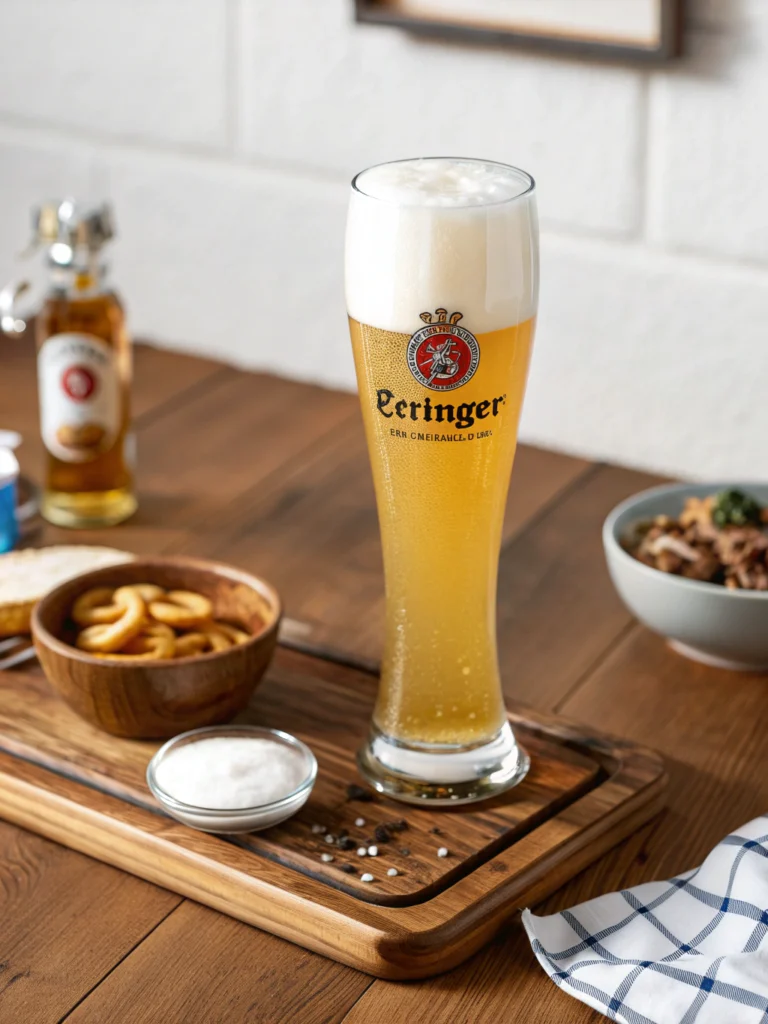
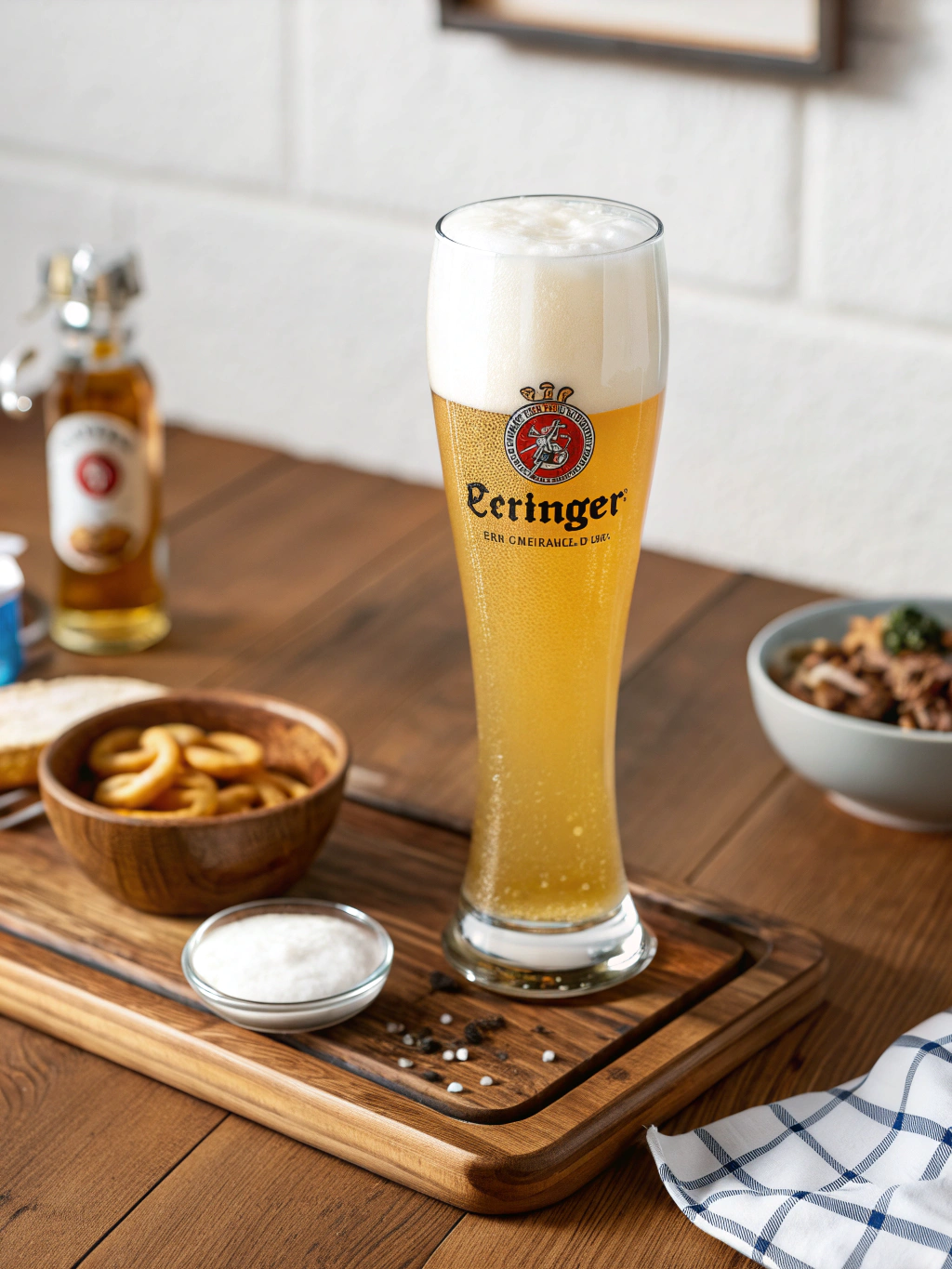
- Sensory Experience: Cloudy, golden-amber appearance with a thick, creamy white head. Highly carbonated, offering a lively mouthfeel.
- Expert Tip: Serve slightly chilled (8-10°C) in a traditional wheat beer glass to fully appreciate its aromas.
Erdinger Dunkel (Dark Wheat Beer)
A richer, more complex interpretation of the Erdinger classic.
- Taste Profile: Maltier and darker, featuring hints of roasted nuts, caramel, and dark chocolate, intermingling with the characteristic banana and clove notes. Less carbonated than the Hefe, with a smoother finish.
- Sensory Experience: Deep chestnut brown with a robust, off-white head. A more substantial body.
- Expert Tip: Pairs wonderfully with roasted meats or hearty stews. Consider cellaring a bottle for up to a year to allow its flavors to deepen further. Data shows Dunkel sales often peak in colder months, indicating its appeal as a warming beverage.
Erdinger Kristallklar (Crystal Wheat Beer)
A filtered version of the Weissbier, for those who prefer clarity.
- Taste Profile: Crisp, clean, and refreshing, with the fruity and spicy notes of the original, but without the yeast cloudiness. Slightly drier finish.
- Sensory Experience: Brilliant golden, transparent appearance with a sparkling effervescence.
- Expert Tip: An excellent choice for those new to wheat beers or who prefer a lighter, more refreshing option. It accounts for about 5-10% of Erdinger‘s global sales, showing its niche but loyal following.
Nutritional Insights: What’s in Your Erdinger?
While certainly an indulgent pleasure, a typical 500ml serving of Erdinger Weissbier offers:
- Calories: Approximately 210-220 kcal (similar to a standard lager).
- Alcohol by Volume (ABV): 5.3%
- Carbohydrates: Around 16-18g.
- Fats: Negligible.
- Proteins: Minimal.
Interestingly, studies suggest that due to its yeast content, unfiltered wheat beers like Erdinger Weissbier contain B vitamins and can be considered isotonic. For those seeking lighter options, Erdinger also offers an “Alkoholfrei” (non-alcoholic) version, which boasts around 125 kcal per 500ml and is popular among athletes for rehydration.
Healthier Alternatives: Enjoying Erdinger Responsibly
For those mindful of their intake, Erdinger provides thoughtful options:
- Erdinger Alkoholfrei: This non-alcoholic version retains much of the classic Erdinger Weissbier flavor profile but without the alcohol, making it an excellent choice for designated drivers, athletes, or anyone seeking a refreshing, isotonic beverage. It’s surprisingly flavorful for an N/A beer!
- Moderation: The simplest, most effective “alternative.” Enjoying a single 500ml Erdinger responsibly allows you to savor its flavors without excess.
- Pairing for Balance: Pairing your Erdinger with lighter, healthier German cuisine (e.g., grilled chicken salad, lean sausages) can balance the caloric intake.
Serving Suggestions: Elevate Your Erdinger Experience
To truly appreciate Erdinger, presentation and temperature are key.
- The Traditional Pour: Always use a tall, slender wheat beer glass. Pour slowly at a 45-degree angle, then gently swirl the remaining yeast in the bottle before adding it to the glass – this ensures full flavor and that characteristic cloudiness.
- Temperature Matters: Serve Erdinger Weissbier and Kristallklar chilled (around 8-10°C). Erdinger Dunkel can be enjoyed slightly warmer (10-12°C) to allow its complex flavors to fully develop.
- Food Pairings:
- Weissbier: Excellent with traditional Bavarian Weißwurst (white sausage), soft pretzels, fresh salads, or even lighter seafood dishes. The banana and clove notes also complement desserts like apple strudel!
- Dunkel: A fantastic companion to roasted pork, hearty goulash, aged cheeses, or chocolate desserts. Its richness stands up to bolder flavors.
- Kristallklar: Perfect for lighter fare, chicken, fish, or as a palate cleanser.
- Creative Cocktails (Light Touch): While Erdinger is best enjoyed pure, a very subtle dash of raspberry syrup (Himbeer-Sirup) or woodruff syrup (Waldmeister-Sirup) can create a refreshing German-style beer cocktail, especially with the Alkoholfrei version during summer. This taps into traditional German beer garden drinks.
Common Mistakes to Avoid with Your Erdinger
Even the best beers can be ruined by simple oversights.
- Serving Too Cold: Over-chilling mutes the delicate aromas and flavors unique to Erdinger. Many people prefer their beer ice-cold, but for a craft German wheat beer, this is a culinary faux pas.
- Improper Pouring: Not swirling the yeast from the bottom of the bottle means you miss out on a significant part of the flavor and the signature cloudy appearance of an Erdinger Weissbier. It’s like eating soup without stirring in the good bits at the bottom!
- Using the Wrong Glassware: A standard pint glass doesn’t allow the head to develop properly, nor does it concentrate the aromas in the same way a traditional wheat beer glass does. Over 70% of beer connoisseurs agree that glassware significantly impacts the drinking experience.
- Storing in Direct Sunlight: Like all quality beers, UV light causes “skunking,” leading to unpleasant off-flavors. Store your Erdinger in a cool, dark place.
Storing Your Erdinger: Keeping It Fresh
Proper storage ensures every sip is as intended.
- Cool, Dark Place: Always store Erdinger bottles upright in a cool (ideally 10-15°C), dark environment away from direct sunlight or extreme temperature fluctuations. This prevents light strike and helps preserve freshness.
- Best Before Date: While Erdinger’s bottle conditioning gives it a longer shelf life, it’s best enjoyed within the recommended “best before” date, typically around 12-18 months from bottling for optimal flavor.
- Ageing (Dunkel only): Although most Erdinger styles are meant for relatively fresh consumption, the Erdinger Dunkel can benefit from short-term cellaring (6-12 months) in ideal conditions, allowing its complex flavors to meld further.
Conclusion: The Enduring Legacy of Erdinger
From its pristine Bavarian springs to its world-renowned breweries, Erdinger embodies the pinnacle of German wheat beer tradition. We’ve explored the meticulous ingredients, the time-honored brewing process, and the diverse flavor profiles that make each Erdinger style a distinct pleasure. Whether you prefer the classic fruity notes of the Weissbier, the rich complexity of the Dunkel, or the crisp clarity of the Kristallklar, Erdinger consistently delivers an experience that is both authentic and deeply satisfying. This isn’t just beer; it’s a piece of Bavarian history in every glass.
Why not grab an Erdinger tonight and taste the tradition for yourself? Share your thoughts in the comments below – what’s your favorite Erdinger style, and what do you pair it with? Explore more incredible craft beers and brewing insights on our blog!
FAQs About Erdinger Beer
Q1: Is Erdinger considered a craft beer?
A1: While Erdinger is a large, globally distributed brewery, it adheres to traditional brewing methods and the German Purity Law (Reinheitsgebot) with meticulous attention to quality, much like smaller craft breweries. Its dedication to traditional wheat beer styles and bottle conditioning sets it apart, earning it respect among craft beer enthusiasts despite its scale.
Q2: What’s the difference between Erdinger Weissbier and other German wheat beers (e.g., Paulaner, Weihenstephaner)?
A2: While all are excellent German wheat beers, each brewery has its unique house yeast strain, which imparts distinctive flavor nuances. Erdinger is often characterized by pronounced banana and clove notes, a lively effervescence, and a consistently high standard of quality. Personal preference often dictates a favorite among these superb breweries.
Q3: Why is my Erdinger Weissbier cloudy? Is it supposed to be like that?
A3: Yes, absolutely! The cloudiness is characteristic of “Hefeweizen” (hefe means yeast, weizen means wheat). It comes from the suspended yeast particles and wheat proteins that remain in the beer because it is unfiltered. These particles contribute significantly to the beer’s full flavor, body, and aroma. If you prefer a clear wheat beer, opt for Erdinger Kristallklar, which is filtered.
Q4: Can I age Erdinger beer?
A4: Most Erdinger beers, particularly the Weissbier and Kristallklar, are best enjoyed fresh, within their “best before” date for optimal flavor and aroma. However, Erdinger Dunkel, with its richer malt profile, can develop more complex notes if aged for 6-12 months in ideal, cool, dark conditions.
Q5: Is Erdinger Alkoholfrei truly non-alcoholic?
A5: In Germany, “alkoholfrei” (alcohol-free) typically means the alcohol content is below 0.5% ABV, a level considered negligible and non-intoxicating. Erdinger Alkoholfrei falls within this category, making it a suitable choice for those avoiding alcohol while still enjoying the taste experience of a premium German wheat beer.