
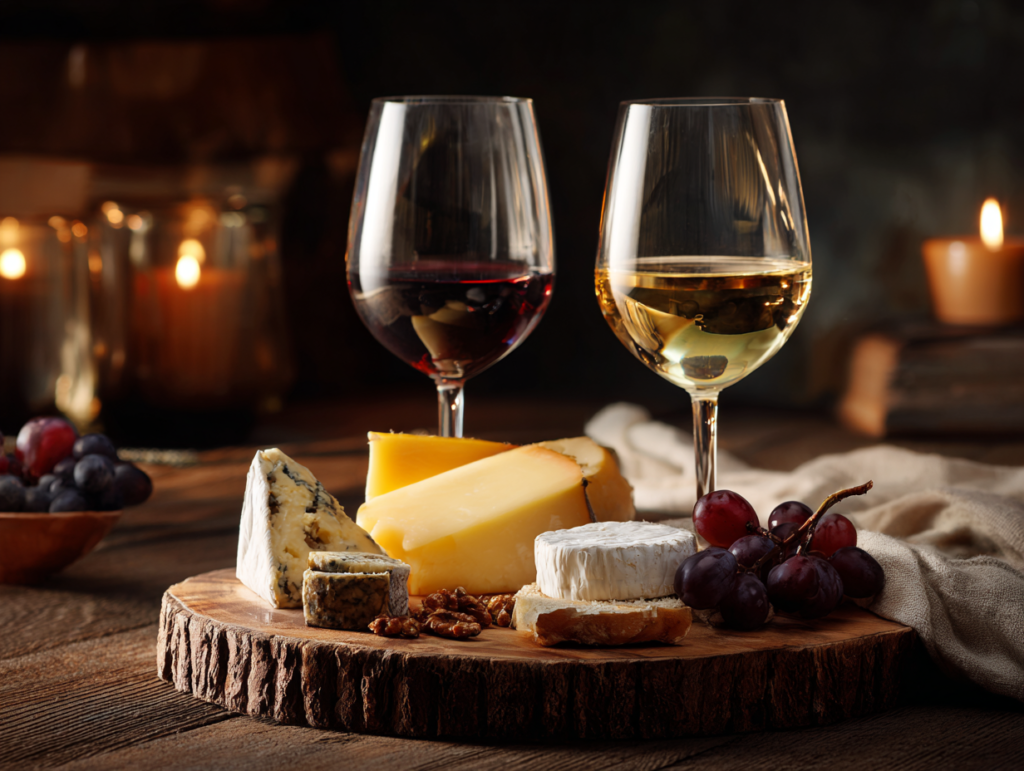
🧀 Introduction:
The Art of Pairing Wine and Cheese
If you’ve ever wondered which wine to pour with your favorite cheese, you’re not alone. Finding the best wine pairings for cheese can seem intimidating, especially for beginners. However, the good news is that pairing wine and cheese is less about strict rules and more about balance, taste, and enjoyment.
In this beginner guide, we’ll explore how to match different types of cheese—soft, hard, aged, or blue—with wines that complement their textures and flavors. By the end, you’ll know exactly which bottle to open for your next cheese board.
Table of Contents
Understanding the Basics of Wine and Cheese Pairing
Why Wine and Cheese Work So Well Together
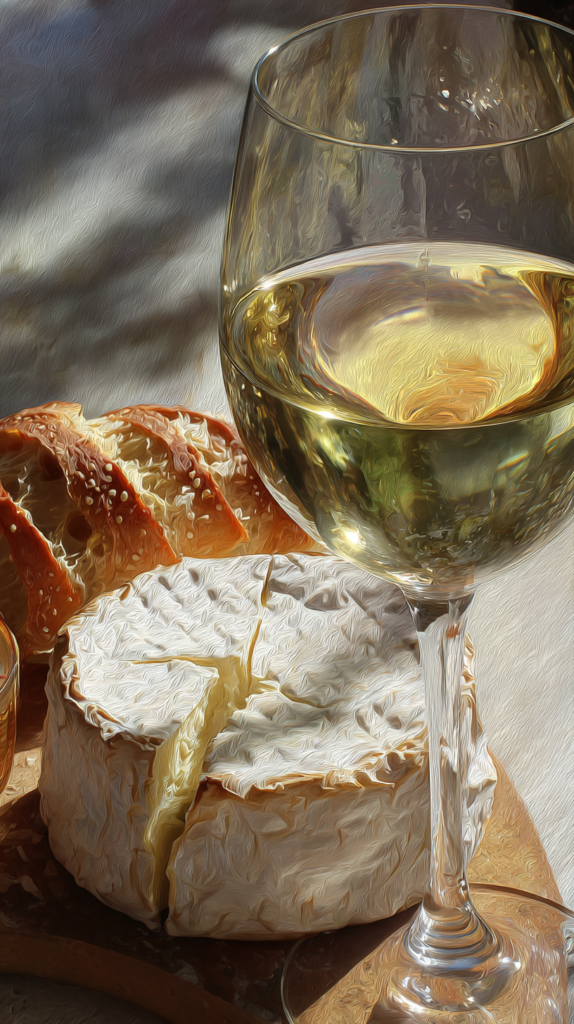
The natural harmony between wine and cheese comes from their shared elements—fat, acid, and umami. The fat in cheese softens the tannins in wine, while wine’s acidity refreshes your palate.
The Key Principle: Balance
A general rule is to pair intensity with intensity. A delicate goat cheese pairs best with a light, crisp white, while a bold aged cheddar demands a fuller-bodied red.
Best White Wine Pairings for Cheese
White wines often provide bright acidity and subtle fruitiness, which can elevate many types of cheese.
Sauvignon Blanc and Goat Cheese
Citrusy Sauvignon Blanc pairs beautifully with tangy goat cheese—especially fresh chèvre.
Chardonnay and Brie
Creamy Brie meets its match in buttery Chardonnay. The wine’s oakiness complements the soft texture of the cheese.
Riesling and Blue Cheese
The sweetness of Riesling balances the sharpness of blue cheeses like Roquefort or Gorgonzola.
Best Red Wine Pairings for Cheese
Red wines are more tannic, which means pairing requires care. However, many reds still shine with cheese.
Cabernet Sauvignon and Aged Cheddar
The bold flavor of aged cheddar matches the structure of Cabernet Sauvignon.
Pinot Noir and Gruyère
Pinot Noir’s earthy notes pair beautifully with semi-hard cheeses like Gruyère or Comté.
Merlot and Havarti
Smooth and medium-bodied, Merlot pairs perfectly with mild cheeses like Havarti or Gouda.
Sparkling Wines and Cheese Pairings
Sparkling wines are the ultimate crowd-pleasers for cheese boards. Their bubbles cut through creamy textures.
Champagne and Triple-Crème Cheese
Champagne’s crisp acidity balances rich, buttery triple-crème cheeses.
Prosecco and Parmesan
Prosecco’s fruity sparkle enhances the saltiness of aged Parmesan.
Regional Pairing Tips
Pairing by origin often guarantees harmony since local wines evolved alongside local cheeses.
- France: Brie with Champagne, Roquefort with Sauternes.
- Italy: Parmigiano-Reggiano with Chianti or Barolo.
- Spain: Manchego with Rioja.
Learn more about traditional pairings in our guide to Italian wine and food traditions.
How to Build a Perfect Cheese and Wine Board
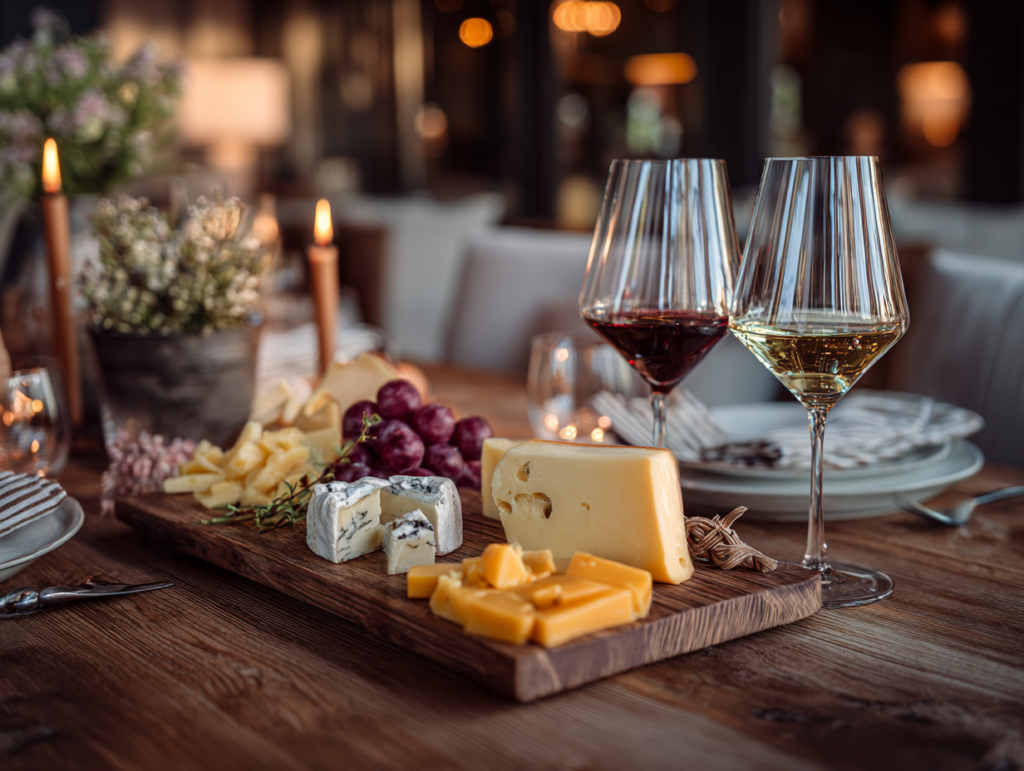
Advanced Tips for the Best Wine Pairings for Cheese
If you’re ready to take your cheese and wine experience to the next level, understanding a few expert techniques can transform your next tasting into something memorable. The best wine pairings for cheese come from knowing how temperature, texture, and even the season influence the balance of flavors.
1. Temperature Matters
Temperature changes the way wine and cheese express their aromas. For the best wine pairings for cheese, always follow these simple rules:
- Red wines: Serve slightly below room temperature (around 60–65°F).
- White wines: Chill to about 50°F.
- Cheese: Let it sit out for 30–40 minutes before serving.
When both wine and cheese are at the right temperature, their natural flavors open up and interact more harmoniously.
2. Texture Pairing Principles
Texture plays a major role in identifying the best wine pairings for cheese. Soft cheeses like Camembert or Brie love wines that can cleanse the palate — think sparkling wines or acidic whites. Meanwhile, dense, aged cheeses require something bold like Cabernet Sauvignon or Zinfandel to cut through the richness.
3. Seasonal Pairing Inspiration
Your surroundings can guide your choices, too. During the summer, crisp whites and rosés with light goat cheeses make refreshing pairings. In winter, a glass of deep red wine with aged cheddar or blue cheese feels comforting and bold — another reason why the best wine pairings for cheese are flexible and seasonally inspired.
Cheese Categories and Their Ideal Wine Matches
To help you remember the best wine pairings for cheese, think in terms of categories. Each cheese family tends to work best with certain wine styles.
Fresh Cheeses
Examples: Mozzarella, Ricotta, Burrata
- Best wine pairings: Sauvignon Blanc, Pinot Grigio, or dry Rosé.
- Why: The freshness and mild saltiness of these cheeses complement crisp wines beautifully.
Soft-Ripened Cheeses
Examples: Brie, Camembert
- Best wine pairings: Chardonnay or Champagne.
- Why: The creamy texture and mild flavors balance the buttery notes in these wines.
Semi-Hard Cheeses
Examples: Gouda, Edam, Havarti
- Best wine pairings: Merlot, Syrah, or Chianti.
- Why: Fruity reds enhance the nutty undertones in these cheeses.
Hard Cheeses
Examples: Parmigiano-Reggiano, Manchego, Gruyère
- Best wine pairings: Cabernet Sauvignon or Rioja.
- Why: Bold wines match the intensity and saltiness of hard cheeses.
Blue Cheeses
Examples: Gorgonzola, Stilton, Roquefort
- Best wine pairings: Port, Sauternes, or Riesling.
- Why: Sweetness in the wine balances the strong, salty bite of blue cheese.
If you remember these groups, you’ll always be able to craft the best wine pairings for cheese effortlessly.
Hosting a Wine and Cheese Night
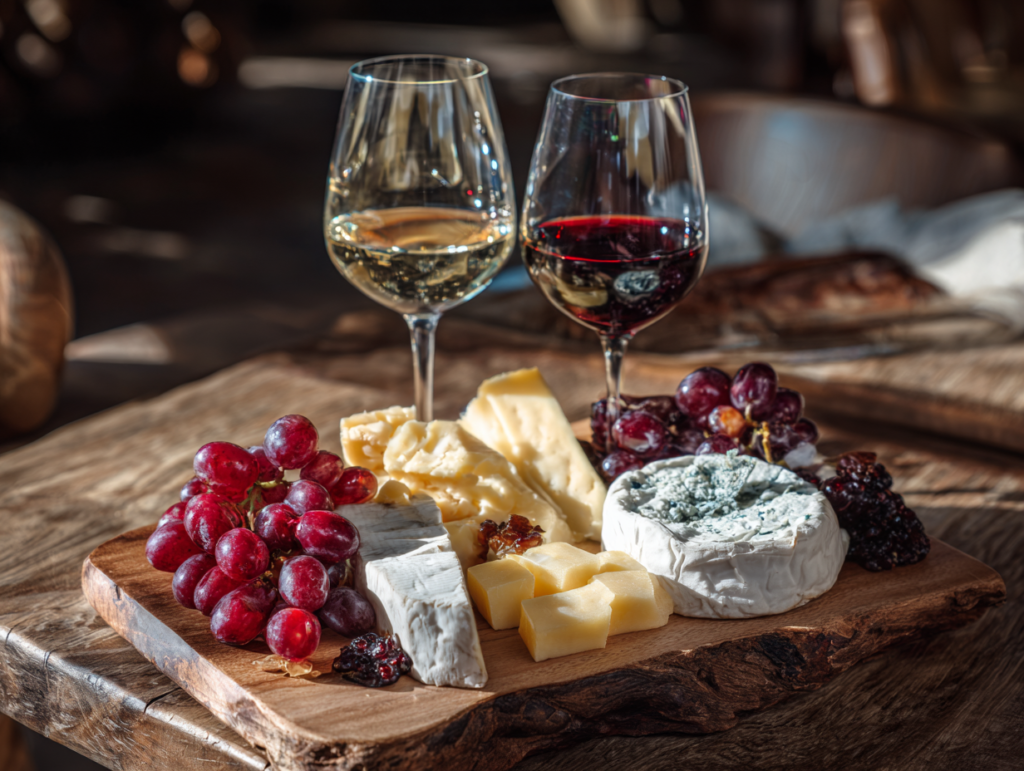
A wine and cheese night is one of the easiest and most enjoyable ways to share good food and conversation. Here’s how to make it unforgettable while focusing on the best wine pairings for cheese.
Set the Mood
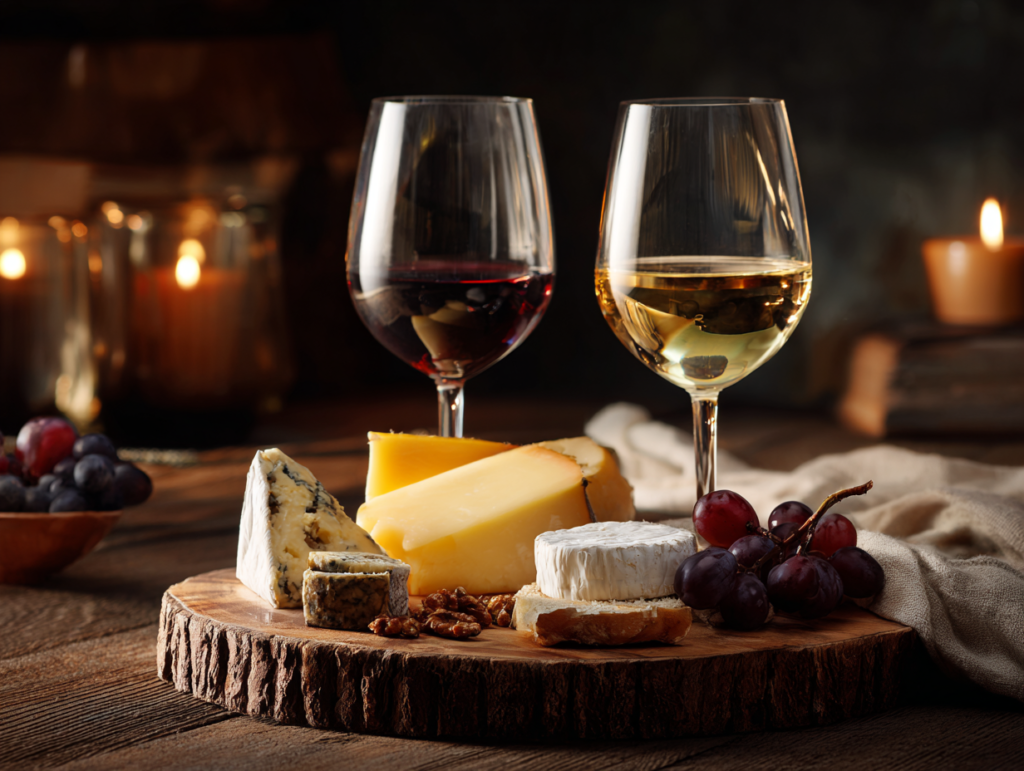
Choose a comfortable setting with soft lighting and relaxing music. A rustic wooden board filled with cheeses, grapes, and crusty bread sets a cozy tone.
Offer Variety
Plan 4–6 cheeses, each paired with a matching wine. Include one white, one red, one sparkling, and one dessert wine to showcase range. Guests will appreciate exploring multiple best wine pairings for cheese in one evening.
Serve in Order
Move from mild to strong flavors — both for cheese and wine. Start with light goat cheese and Sauvignon Blanc, then build up to blue cheese with Port or sweet Riesling.
Provide Palate Cleansers
Include water, apples, or crackers between pairings. It keeps your palate fresh and helps you fully appreciate the best wine pairings for cheese.
Food Accents That Enhance Wine and Cheese Pairings
Small additions can elevate your tasting from good to spectacular. While the best wine pairings for cheese are the stars, accompaniments bring harmony.
Nuts and Dried Fruits
Almonds, walnuts, and dried apricots add texture and subtle sweetness that enhance both cheese and wine.
Honey and Jams
Honey pairs beautifully with blue and aged cheeses. Try fig or cherry preserves with Brie for an elegant touch.
Bread and Crackers
Neutral bases like baguette slices or plain crackers let the best wine pairings for cheese shine without overpowering their delicate balance.
Exploring International Wine and Cheese Traditions
To fully understand the best wine pairings for cheese, look at how different cultures have perfected this art through centuries of tradition.
France
The French practically invented the concept of regional pairing. From Brie with Champagne in Île-de-France to Roquefort with Sauternes in Bordeaux, their philosophy is simple: what grows together, goes together.
Italy
In Italy, food and wine harmony is second nature. Parmigiano-Reggiano finds its soulmate in Chianti, while creamy Gorgonzola matches perfectly with Moscato or Barolo.
Spain
Spaniards pair the salty, nutty Manchego with Rioja or Cava, creating some of Europe’s best wine pairings for cheese combinations.
USA
American artisanal cheese and wine regions—from Napa Valley to Vermont—are redefining pairings with bold creativity. Try Sonoma Chardonnay with Humboldt Fog goat cheese for a modern twist on the best wine pairings for cheese.
Tasting Techniques to Master Pairing
To truly appreciate the best wine pairings for cheese, practice mindful tasting. Here’s a simple method:
- Smell the wine – note fruit, spice, and floral aromas.
- Taste the wine – observe its body and acidity.
- Taste the cheese – notice texture and saltiness.
- Pair them together – take a sip after a bite and feel how flavors merge.
Notice how acidity, tannins, and salt interact. The more you repeat this exercise, the easier it becomes to identify your personal best wine pairings for cheese preferences.
Pairing Wine and Cheese for Special Occasions
Each event calls for its own perfect pairing.
Romantic Dinner
Opt for soft cheeses like Brie or Camembert with Champagne — elegant, light, and unforgettable.
Holiday Gatherings
For festive spreads, try aged cheddar or blue cheese with Cabernet Sauvignon or Port. These indulgent best wine pairings for cheese set a cozy tone.
Summer Picnics
Fresh mozzarella, rosé, and light crackers make refreshing warm-weather choices.
Wine Tasting Parties
Set up stations where guests can vote for their best wine pairings for cheese—it’s fun, interactive, and educational.
How to Store Wine and Cheese Correctly
Proper storage ensures that your best wine pairings for cheese always taste their best.
- Cheese: Wrap in wax paper, then plastic, and keep it in the cheese drawer at around 40°F.
- Wine: Store horizontally in a cool, dark place. Avoid sunlight and temperature swings.
- Opened bottles: Use a vacuum seal or argon gas system to maintain freshness.
Good storage preserves flavor, texture, and aroma—key components of the best wine pairings for cheese experience.
The Science Behind Wine and Cheese Pairings
Ever wondered why certain wines taste so amazing with cheese? The answer lies in chemistry. The best wine pairings for cheese occur when fat, acid, salt, and tannins reach equilibrium.
- Acidity in wine cuts through the fat of cheese.
- Salt in cheese softens the bitterness of tannins.
- Sweetness in wine balances salty and sharp flavors.
This chemical harmony is why wine and cheese have been culinary partners for centuries.
Final Thoughts — Finding Your Best Wine Pairings for Cheese
Ultimately, the best wine pairings for cheese depend on your personal preferences. Experiment with textures, flavors, and regions. Keep notes, compare tastings, and don’t be afraid to mix styles.
Every great pairing starts with curiosity — so grab your favorite bottle, slice up some cheese, and let your taste buds explore.
Choose a Variety
Include at least one soft, one hard, one aged, and one blue cheese.
Add Accents
Fruits, nuts, and honey enhance pairings—try figs with blue cheese and honey with Brie.
Serve at the Right Temperature
Wine should be slightly chilled, and cheese served at room temperature for the best flavor experience.
Common Pairing Mistakes to Avoid
- Avoid pairing high-tannin red wines with overly creamy cheeses.
- Skip overly sweet wines with mild cheeses.
- Don’t serve cheese straight from the fridge—it dulls flavor.
FAQ Section
1. What wine goes well with cheese?
Light white wines like Sauvignon Blanc and Riesling pair wonderfully with soft cheeses, while red wines like Cabernet Sauvignon suit aged varieties.
2. What wine is commonly paired with cheese?
Popular choices include Chardonnay, Pinot Noir, and Champagne, as they complement a wide range of cheese textures.
3. What is the best drink to have with cheese?
Wine is classic, but beer, cider, or even sparkling water can work well depending on your cheese selection.
4. Is cheese better with white or red wine?
White wines often pair more easily with cheese due to their acidity, but reds can shine with harder, aged cheeses.
5. Can you mix different wines with one cheese board?
Yes! Offering a flight of wines lets guests explore and find their own favorite combinations.
6. What’s the best wine for a beginner cheese pairing?
Start with a crisp Sauvignon Blanc or mild Pinot Noir—they’re versatile and easy to enjoy.
Conclusion
Finding the best wine pairings for cheese doesn’t have to be complicated. Focus on balance, texture, and regional harmony. Whether you love creamy Brie, nutty Gouda, or bold blue cheese, there’s a wine to make it shine.
Discover more pairing ideas in our guide to hosting wine tasting parties and explore European cheese traditions for inspiration.