
Introduction
Whiskey Basics: Types, Taste, and How to Drink It Like a Pro —it’s a journey through history, craftsmanship, and culture. This guide to whiskey basics explores its main types, how to taste it properly, and the right way to drink it. Whether you’re just starting or refining your palate, understanding the fundamentals of whiskey helps you enjoy every sip with confidence.
Table of Contents
What Is Whiskey?
Definition and Origins
Whiskey is a distilled spirit made from fermented grain mash, typically using barley, corn, rye, or wheat. Its origins date back hundreds of years to Ireland and Scotland, where monks began distilling grain-based beverages. Over time, regional practices shaped the unique whiskey varieties we know today.
Global Influence
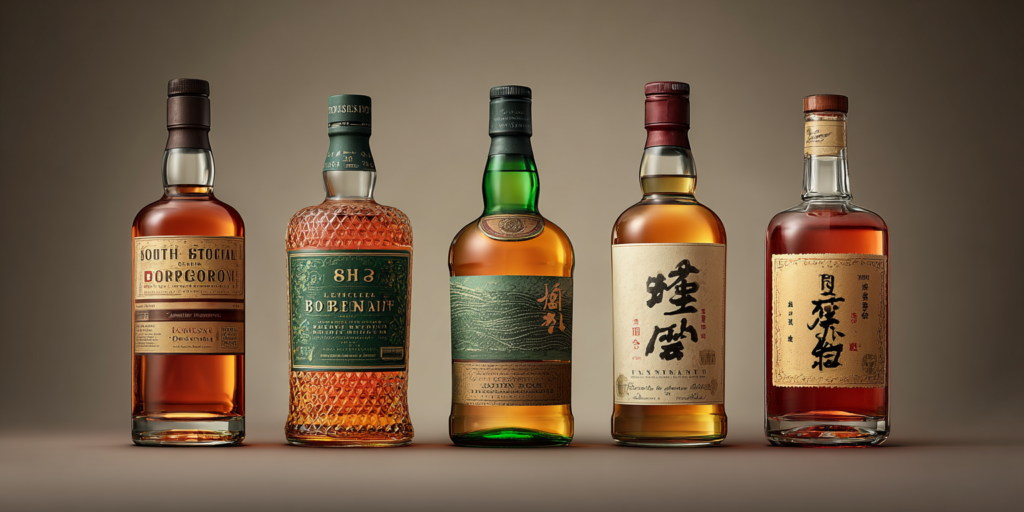
Each country’s approach to whiskey-making tells a different story. From smoky Scotch whisky in Scotland to sweet Bourbon whiskey in the United States and the balanced precision of Japanese whisky, the world of whiskey is broad and diverse.
Types of Whiskey
Scotch Whisky
Produced exclusively in Scotland, Scotch must age for at least three years in oak casks. It’s often characterized by smoky, earthy, or peaty flavors, depending on the region and distillation method.
Irish Whiskey
Typically triple distilled, Irish whiskey is known for its smooth, clean flavor with light notes of vanilla, honey, and fruit. It’s an ideal introduction for new whiskey drinkers.
Bourbon Whiskey
Bourbon, America’s signature whiskey, must be made from a mash that’s at least 51% corn. The result is a rich, full-bodied spirit with caramel and oak undertones.
Canadian Whisky
Smooth and often lighter in flavor, Canadian whisky is usually blended and perfect for cocktails or casual sipping.
Japanese Whisky
Inspired by Scotch, Japanese whisky emphasizes balance and craftsmanship. Its flavors range from floral and fruity to subtly smoky.
Understanding Whiskey Taste
Aroma
Before tasting, swirl your glass and inhale gently. Aromas can reveal hints of spice, oak, fruit, or smoke, offering a preview of what’s to come.
Flavor Profile
Whiskey’s flavor is influenced by its ingredients, barrels, and aging time. Corn-based whiskies are sweet, rye whiskies are spicy, and malt whiskies are rich and malty.
Finish
The finish is the lingering taste that remains after you swallow. A long, smooth finish often indicates a well-aged, high-quality whiskey.
How to Taste Whiskey for Beginners
- Observe the Color – Hold the glass up to the light. Darker whiskey usually indicates longer aging.
- Smell the Aroma – Take short, controlled sniffs to identify caramel, oak, or fruit notes.
- Sip Slowly – Let a small amount rest on your tongue before swallowing.
- Add a Few Drops of Water – This can open up hidden aromas and mellow the alcohol bite.
- Reflect on the Experience – Notice how the flavors evolve and linger on your palate.
How to Drink Whiskey the Right Way
Neat
Drinking whiskey neat—without ice or mixers—allows you to experience its full complexity and body.
On the Rocks
Adding ice slightly chills and dilutes the whiskey, softening strong flavors and making it smoother to sip.
In Cocktails
Whiskey forms the base of timeless cocktails such as the Old Fashioned, Manhattan, and Whiskey Sour. Each highlights a different aspect of the spirit’s flavor.
The Rules of Bourbon
Bourbon is defined by U.S. law and must meet these seven key standards:
- Made in the United States
- Contains at least 51% corn
- Aged in new charred oak barrels
- Distilled to no more than 160 proof
- Barreled at no more than 125 proof
- Bottled at 80 proof or higher
- No additives or artificial flavoring
These rules guarantee that every bourbon delivers its characteristic warmth, sweetness, and oak depth.
The Three-Finger Rule and Whiskey Traditions
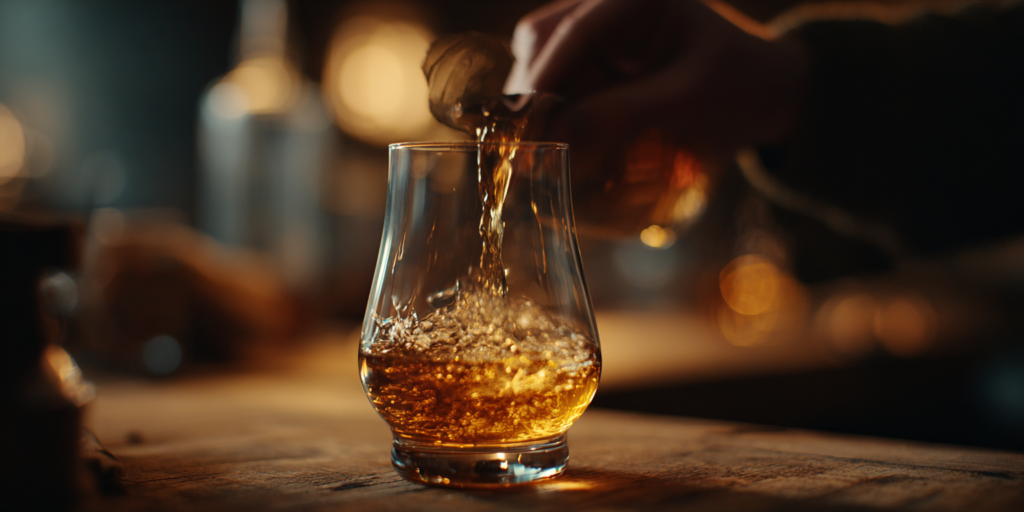
The “three-finger rule” refers to a traditional pour size—roughly the width of three fingers placed against the glass. Though informal, it symbolizes a generous and respectful serving.
Other whiskey traditions include gently warming the glass before drinking and always toasting before the first sip. These small rituals enhance the overall experience and appreciation of the spirit.
Qualities of a Good Whiskey
A fine whiskey typically has five standout characteristics: balance, smoothness, aroma, flavor complexity, and a lingering finish. When these elements harmonize, the whiskey offers both depth and satisfaction.
Frequently Asked Questions (FAQs)
1. How to taste whiskey for beginners?
Start by observing its color, smelling the aroma, and taking small sips. Let the whiskey rest on your tongue to identify its different flavors before swallowing.
2. What are the 7 rules of bourbon?
Bourbon must be made in the USA, with at least 51% corn, aged in new charred oak barrels, distilled under 160 proof, barreled below 125 proof, bottled at 80 proof or higher, and contain no additives.
3. What is the 3-finger rule for alcohol?
The three-finger rule is a classic way of measuring a whiskey pour, typically equivalent to about two to three ounces.
4. What are 5 qualities of whiskey?
Balance, smoothness, aroma, flavor complexity, and a lingering finish define a well-crafted whiskey.
5. What glass should you use to taste whiskey?
A tulip-shaped glass or Glencairn glass helps concentrate aromas and enhance the tasting experience.
6. How should you store whiskey after opening?
Keep it tightly sealed in a cool, dark place away from direct sunlight and temperature fluctuations to preserve its quality.
Conclusion
Understanding whiskey basics—its types, flavor profiles, and tasting methods—can turn an ordinary drink into a refined experience. Whether you enjoy it neat, on the rocks, or in a classic cocktail, whiskey invites you to explore centuries of tradition and craftsmanship in every sip.
Would you like me to now generate the Rank Math SEO section (meta title, meta description, permalink, image SEO, schema markup, and social captions) for this article?