
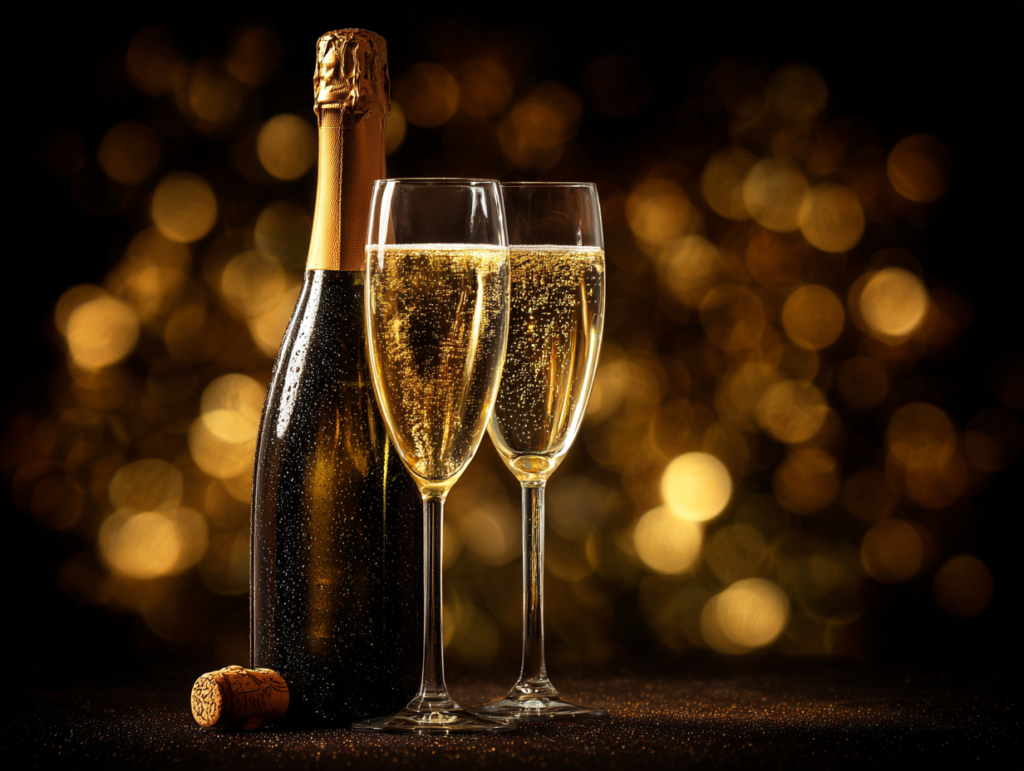
Sparkling wine is synonymous with celebration, Sparkling Wine: What to Buy and Why (Expert Buyer’s Guide) luxury, and joy. From birthdays and weddings to casual brunches, this bubbly beverage brings a touch of elegance to any occasion. But with so many varieties — from Champagne to Prosecco, Cava, and beyond — it can be confusing to know which one to buy and why.
Choosing the right sparkling wine isn’t just about price or brand. It’s about taste, sweetness level, grape type, and even where it’s made. Understanding these factors helps you select a bottle that perfectly suits your event, palate, and budget. Whether you love crisp, dry wines or enjoy a sweeter fizz, this guide will help you make the best choice.
Understanding Sparkling Wine Sparkling Wine: What to Buy and Why (Expert Buyer’s Guide)
Sparkling wine is defined by its effervescence — those lively bubbles created by carbon dioxide during fermentation. But not all bubbles are made the same. There are two main methods used to make sparkling wine:
- Traditional Method (Méthode Champenoise): Used for Champagne, Cava, and premium sparkling wines. The bubbles form naturally inside the bottle during a second fermentation. This method produces fine, delicate bubbles and a creamy texture.
- Tank Method (Charmat): Used for Prosecco and other affordable sparkling wines. The second fermentation happens in a large tank, resulting in larger bubbles and a fresher, fruitier taste.
Common grape varieties include Chardonnay, Pinot Noir, and Glera (used in Prosecco). The choice of grape and production method greatly influence flavor, sweetness, and price.
When selecting a bottle, consider:
- Origin: France (Champagne), Italy (Prosecco), Spain (Cava), USA (California Sparkling Wine).
- Sweetness level: From Brut Nature (very dry) to Doux (very sweet).
- Budget: You can find great bottles under $20, while premium Champagnes exceed $100.
How to Choose the Right Sparkling Wine

Your choice depends on your personal taste, food pairing, and occasion. Let’s break it down so you can confidently pick your perfect bottle.
For Dry Wine Lovers
If you prefer crisp, refreshing wines, go for Brut or Extra Brut. These have minimal sugar, giving you clean flavors with citrus, apple, or mineral notes. Perfect for:
- Oysters or seafood appetizers
- Salads and light pasta dishes
- Celebrations where you want a refined, dry finish
Popular choices:
- Moët & Chandon Brut Impérial (France)
- Freixenet Cordon Negro Cava (Spain)
- Mionetto Prosecco Brut (Italy)
For Sweet Wine Fans
If you like fruitier, more dessert-like flavors, choose Demi-Sec or Doux sparkling wines. These feature honey, peach, or tropical fruit notes that make them ideal for after-dinner sipping.
Perfect pairings include:
- Fresh fruit tarts or cakes
- Spicy Asian or Indian dishes
- Cheese platters with blue or goat cheese
Excellent picks:
- Martini & Rossi Asti (Italy)
- Moët & Chandon Nectar Impérial (France)
- Barefoot Bubbly Pink Moscato (USA)
For Every Occasion
If you’re unsure, Extra Dry sparkling wine strikes a balance between crispness and sweetness. Despite the name, “Extra Dry” is actually slightly sweeter than “Brut,” making it a crowd-pleaser for parties and brunches.
Recommended bottles:
- La Marca Prosecco (Italy)
- Segura Viudas Brut Reserva (Spain)
- Korbel California Champagne (USA)
Why Sparkling Wine Is Worth Buying

Beyond the bubbles and celebration, sparkling wine has qualities that make it a staple in any wine collection.
Versatility in Pairing
Sparkling wine pairs beautifully with almost any food — seafood, sushi, poultry, cheese, and even fried dishes. Its natural acidity and bubbles cleanse the palate between bites, making every meal feel lighter and more refined.
Perfect for Every Budget
Unlike Champagne, which is strictly from France’s Champagne region, sparkling wine can come from anywhere in the world. This global reach means there are excellent, affordable options with similar quality — especially from Italy (Prosecco) and Spain (Cava).
Health Benefits in Moderation
Dry sparkling wines are lower in sugar and calories, averaging about 100–120 calories per glass. They also contain antioxidants, which may support heart health when consumed moderately.
Adds Effervescence to Any Moment
Whether you’re toasting at a wedding or relaxing on a Friday night, sparkling wine instantly elevates the mood. Its lively bubbles and bright flavors make every moment feel a little more special.
Understanding Sweetness Levels in Sparkling Wine
When shopping for sparkling wine, you’ll often see labels like Brut, Extra Dry, or Demi-Sec. These indicate the sweetness level — determined by how much residual sugar remains after fermentation. Knowing what these terms mean helps you pick a bottle that matches your taste and meal perfectly.
| Label | Residual Sugar (g/L) | Taste Description |
|---|---|---|
| Brut Nature / Zero Dosage | 0–3 | Bone dry, crisp, very acidic |
| Extra Brut | 0–6 | Very dry, elegant finish |
| Brut | 0–12 | Dry, most common style |
| Extra Dry | 12–17 | Lightly sweet, balanced |
| Sec (Dry) | 17–32 | Medium sweet |
| Demi-Sec | 32–50 | Sweet, fruity |
| Doux | 50+ | Very sweet, dessert-style |
Most people prefer Brut because it’s versatile — crisp enough for meals yet celebratory enough for toasts. However, if you enjoy something softer and fruitier, Extra Dry or Demi-Sec may suit you better.
💡 Tip: Don’t be fooled by labels — “Extra Dry” actually means slightly sweet, while “Brut” is the truly dry one.
How to Serve Sparkling Wine Properly
Serving sparkling wine at the right temperature and in the right glass dramatically enhances its flavor and aroma.
Temperature
- Dry sparkling wines (Brut, Extra Brut): Serve chilled at 45°F (7°C).
- Sweeter sparkling wines (Demi-Sec, Doux): Serve slightly colder, around 40°F (4°C).
Chill the bottle for at least 3 hours before serving, but never put it in the freezer — it can affect carbonation.
Glassware
Use a flute or tulip glass to preserve bubbles and concentrate aromas. Avoid wide glasses; they let the bubbles fade too quickly.
The 20-Minute Wine Rule
If you’ve chilled the bottle in the fridge, take it out 20 minutes before serving. This allows the flavors to open up slightly without losing freshness — a sommelier-approved method for balancing temperature and aroma.
Pouring and Storing
Tilt the glass slightly when pouring to maintain carbonation and minimize foam. Once opened, reseal with a sparkling wine stopper and store in the refrigerator — it’ll stay fresh for up to 3 days.
Food Pairing: What Goes Best with Sparkling Wine
The beauty of sparkling wine lies in its versatility. It pairs beautifully with savory, spicy, and even sweet dishes — making it one of the most food-friendly wines in the world.
Perfect Pairings for Brut and Extra Brut
- Seafood: Oysters, shrimp, sushi, or lobster
- Cheese: Parmesan, Brie, or Gruyère
- Appetizers: Smoked salmon, olives, or nuts
- Main Courses: Roasted chicken, turkey, or vegetable risotto
Pairings for Extra Dry and Demi-Sec
- Spicy foods: Thai, Indian, or Mexican dishes
- Fruit-based desserts: Tarts, sorbet, or fruit salad
- Brunch favorites: Pancakes, crepes, or croissants
Pairings for Doux (Sweetest Style)
- Desserts: Cheesecake, tiramisu, chocolate mousse
- Cheese boards: Blue cheese or goat cheese for a salty-sweet contrast
🍾 Quick rule of thumb: The sweeter the wine, the better it pairs with spicy or dessert dishes. The drier the wine, the better it goes with savory or salty foods.
Sparkling Wine by Country: What to Buy from Around the World
Exploring sparkling wines from different regions opens up a world of flavor, style, and craftsmanship. Each country has its unique approach, influenced by grape varieties, terroir, and winemaking techniques.
France – Champagne
The benchmark for all sparkling wines. Produced in the Champagne region using the traditional method, it’s known for tiny bubbles, crisp acidity, and notes of brioche and citrus.
- Top picks: Moët & Chandon, Veuve Clicquot, Taittinger.
Italy – Prosecco & Franciacorta
Prosecco (made from Glera grapes) is light, floral, and fruity — ideal for casual celebrations.
Franciacorta, on the other hand, rivals Champagne with its rich, complex profile.
- Top picks: La Marca Prosecco, Ca’ del Bosco Franciacorta.
Spain – Cava
Made mainly from Macabeo, Xarel-lo, and Parellada grapes, Cava offers Champagne-like quality at a fraction of the price. Expect flavors of green apple, citrus, and almond.
- Top picks: Freixenet, Segura Viudas Brut Reserva.
United States – California Sparkling Wines
American sparkling wines, particularly from Napa and Sonoma, combine ripe fruit with vibrant bubbles.
- Top picks: Schramsberg Blanc de Blancs, Domaine Chandon Brut.
Australia & South Africa
These regions produce lively, fruit-forward sparkling wines that are affordable and food-friendly.
- Top picks: Jacob’s Creek Sparkling, Graham Beck Brut.
🌍 Tip: For quality and value, Cava and Prosecco are unbeatable under $20, while Champagne and Franciacorta shine for special occasions.
When and How to Enjoy Sparkling Wine
Sparkling wine isn’t just for toasts — it can elevate every moment, from a simple brunch to a romantic dinner.
Everyday Enjoyment
- Enjoy Brut Prosecco with light meals or appetizers.
- Try Extra Dry Cava for movie nights or picnics.
- Sip Demi-Sec Champagne as a dessert treat.
Celebration Moments
Sparkling wine symbolizes joy and success, making it ideal for weddings, graduations, and anniversaries. Keep a few bottles chilled — you never know when good news deserves a toast!
Storage & Longevity
Unopened bottles can last up to 3 years (non-vintage) or 7–10 years (vintage Champagne). Keep them stored horizontally, away from light, and at a consistent cool temperature.
FAQs About Sparkling Wine
1. Is sweet or dry wine better for you?
Dry sparkling wines are generally healthier since they contain less sugar and fewer calories. They also pair better with food and have fewer hangover risks.
2. How to know which wine is sweeter?
Check the label terms. Brut Nature and Brut are dry, Extra Dry and Demi-Sec are sweeter, and Doux is the sweetest.
3. What is the difference between semi-sweet and semi-dry wine?
Semi-sweet wines contain more residual sugar (20–35 g/L), while semi-dry wines are lightly sweet (10–20 g/L), offering a balanced taste.
4. Which is best, dry or sweet wine?
It depends on preference. Dry wines are crisp and refreshing, while sweet wines are rich and dessert-like. Both have their place depending on food and mood.
5. Why do people prefer dry wine?
Dry wines taste more elegant and pair well with savory dishes. They’re also lower in sugar, which appeals to those watching their calorie intake.
6. Is sweeter wine more alcoholic?
Not necessarily. In most cases, dry wines have higher alcohol because yeast converts more sugar into alcohol. Sweet wines often have lower ABV.
7. What is the 20-minute wine rule?
Take your chilled bottle out of the refrigerator 20 minutes before serving. This brings it to the ideal temperature for full aroma and taste.
Conclusion: Sparkle Smart — Buy the Right Bottle Every Time
Choosing the right sparkling wine doesn’t have to be intimidating. Whether you enjoy crisp and dry or soft and sweet, understanding labels, sweetness levels, and origins helps you make confident choices.
For everyday sipping, try a Prosecco or Cava. For special occasions, Champagne or Franciacorta adds sophistication. And remember — sparkling wine isn’t just for celebrations; it’s a joyful experience in every glass.
🍾 Discover more tips on pairing and serving wines at Belicimo.com.