
What Does “Sweet” vs “Dry” Mean in Wine?
Sweet vs Dry Wine: How to Tell (Expert Tips & Easy Guide). When learning how to tell if a wine is sweet or dry, it’s essential to understand that the difference lies in residual sugar — the natural grape sugar left after fermentation.
- Sweet wines retain more residual sugar because the fermentation process is stopped earlier.
- Dry wines, on the other hand, allow the yeast to convert almost all sugars into alcohol, leaving very little sweetness behind.
In simpler terms, sweet = more sugar, while dry = less sugar. However, other factors like acidity, tannins, and alcohol content can influence how our palate perceives sweetness.
Table of Contents
Why the Confusion Happens
Many wine drinkers are surprised when a wine labeled “dry” tastes fruity or even slightly sweet. That’s because fruitiness isn’t the same as sugar content. A wine can smell of peaches or berries and still be bone-dry. Therefore, sweet vs dry wine distinctions depend on chemistry, not just flavor impressions.
The Role of Winemaking Sweet vs Dry Wine: How to Tell (Expert Tips &
The winemaker decides when to stop fermentation. If stopped early, the wine keeps its natural sugars — producing dessert wines or late-harvest styles. If fermentation goes to completion, the result is a crisp, dry wine like Sauvignon Blanc or Cabernet Sauvignon.
How to Tell If a Wine Is Sweet or Dry
Sweet vs Dry Wine: How to Tell (Expert Tips &
1. Check the Wine Label
The easiest way to tell sweet vs dry wine is by checking the residual sugar (RS) or sweetness level on the label:
- Dry: 0–4 g/L of residual sugar
- Off-Dry (Semi-Dry): 4–12 g/L
- Medium-Sweet: 12–45 g/L
- Sweet: 45+ g/L
Not all bottles list these numbers, but some use words like “sec,” “demi-sec,” or “moelleux,” which indicate sweetness levels, especially on European wines.
2. Taste Test — Detecting Sweetness on the Palate
When tasting, hold a sip of wine on your tongue for a few seconds:
- A dry wine will feel crisp, slightly acidic, and leave your mouth feeling clean.
- A sweet wine will coat your tongue and linger with a syrupy texture.
Pro tip: focus on the finish — sweet wines have a long, soft finish, while dry wines leave a sharp or refreshing aftertaste.
3. Smell and Aroma Cues
Sweet wines often smell like honey, ripe fruits, or flowers, whereas dry wines lean toward mineral, earthy, or herbal aromas.
The nose gives early hints about sweetness, even before the first sip.
4. Alcohol Content Clues
Higher alcohol often means less sugar (since more sugar was fermented).
For instance:
- Dry wines: usually 12.5–15% ABV
- Sweet wines: typically 8–12% ABV
However, fortified wines like Port are exceptions — they’re sweet and strong.
The Science Behind Wine Sweetness
Understanding Residual Sugar (RS)
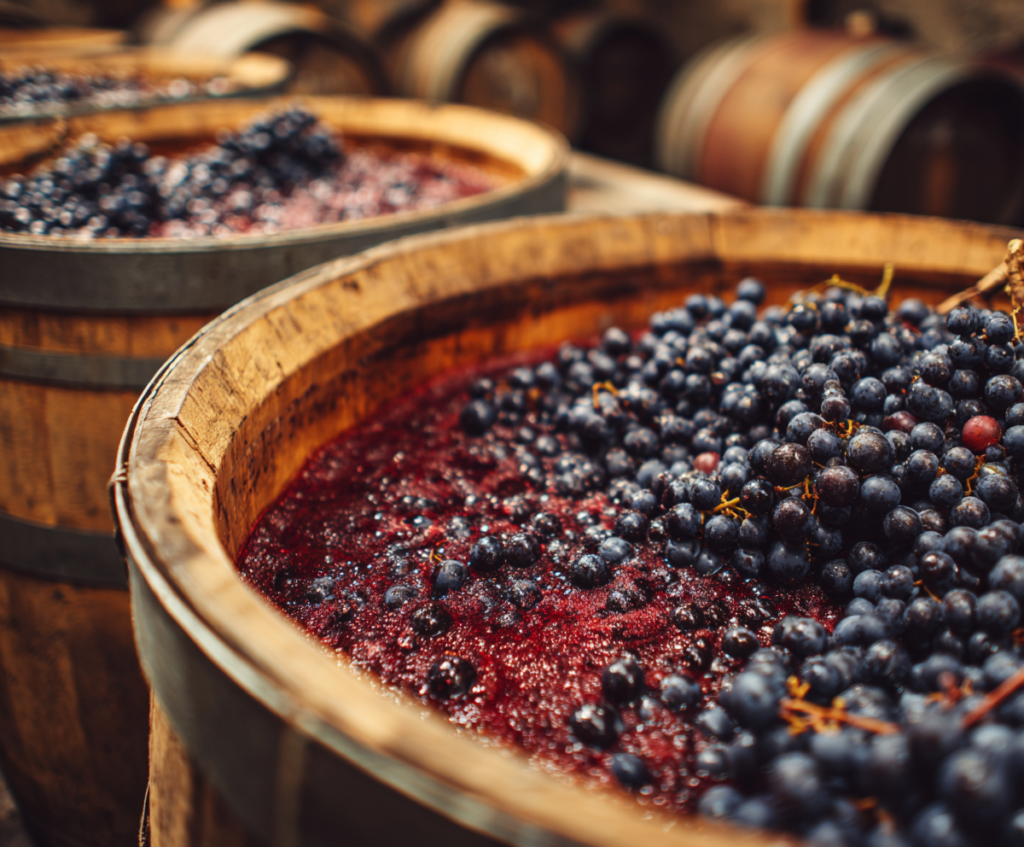
Residual sugar is the most critical factor when explaining sweet vs dry wine differences. During fermentation, yeast consumes grape sugars and converts them into alcohol.
- When fermentation is complete, nearly all sugar is gone → producing a dry wine.
- When fermentation is stopped early, some sugar remains → resulting in a sweet wine.
Residual sugar is measured in grams per liter (g/L), and even a small change (2–3 g/L) can noticeably alter taste perception.
The Role of Acidity
Acidity balances sweetness in wine.
A high-acid sweet wine (like Riesling) tastes lively and refreshing, not cloying.
Meanwhile, low-acid sweet wines can taste overly syrupy.
This interplay of sugar and acid creates the perfect harmony in the glass — it’s why a Sauternes feels luscious but never heavy.
Alcohol vs Sweetness
There’s an inverse relationship between alcohol and sweetness:
- Higher alcohol levels usually indicate a drier wine.
- Lower alcohol levels often suggest more residual sugar.
However, fortified wines such as Port and Sherry break this rule because alcohol is added before fermentation finishes, preserving natural sugars.
Tannins and Texture
In red wines, tannins add a drying sensation that enhances the perception of dryness — even if a small amount of sugar remains. A Merlot with slight residual sugar can still taste dry because of its tannin structure.
Common Examples of Sweet and Dry Wines
Popular Dry Wines
If you prefer crisp, refreshing flavors, you’ll enjoy these dry wine examples:
- White Wines: Sauvignon Blanc, Pinot Grigio, Chardonnay, Albariño
- Red Wines: Cabernet Sauvignon, Merlot, Syrah, Tempranillo
These wines are fermented until most of the sugar is converted into alcohol, leaving a clean and tart finish. They pair beautifully with grilled meats, seafood, and savory dishes.
Popular Sweet Wines
Sweet wines are delightful for dessert or sipping alone. Examples include:
- White Sweet Wines: Moscato, Riesling (late harvest), Gewürztraminer, Ice Wine
- Red Sweet Wines: Port, Lambrusco, Brachetto d’Acqui
- Sparkling Sweet Wines: Asti Spumante, Demi-Sec Champagne
These wines have residual sugars that create smooth, honeyed flavors — ideal for pairing with cheese, fruit tarts, or chocolate desserts.
Off-Dry and Semi-Sweet Wines
Between the extremes of dry and sweet lie off-dry wines, which offer a hint of sweetness without overpowering acidity. Great examples include:
- Chenin Blanc
- Vouvray
- Off-Dry Riesling
These wines are versatile, matching spicy foods or lighter dishes where you want balance, not sugar overload.
Visual Clues: Color and Legs
While color alone isn’t a guarantee, sweeter wines often appear deeper in color due to concentration. Also, when you swirl your glass, thicker “legs” or “tears” indicate more sugar or alcohol, hinting that the wine may lean toward sweetness.
How to Identify Wine Sweetness by Smell and Taste
Developing Your Wine Palate
When learning how to tell sweet vs dry wine, your senses — especially smell and taste — are your best tools. With practice, you’ll begin to recognize subtle clues in aroma, texture, and flavor balance that signal sweetness levels.
Step 1: Observe the Aroma
Before tasting, swirl the wine gently and inhale.
- Sweet wines often give off aromas of ripe fruit, honey, or flowers — think apricot, peach, or lychee.
- Dry wines typically smell earthy, mineral, or herbaceous, like green apple, citrus peel, or fresh herbs.
These scents can help you anticipate the level of sweetness even before the first sip.
Step 2: Taste and Texture
Take a small sip and let it coat your tongue for 5–10 seconds.
- Dry wines feel crisp and refreshing, leaving your mouth clean and slightly puckered.
- Sweet wines feel silky, viscous, and often linger longer on the tongue.
A good test is to focus on the tip of your tongue — if you sense a sugar-like coating, it’s likely a sweet wine.
Step 3: Assess the Finish
The finish (aftertaste) tells you a lot.
- Dry wines finish sharp or tangy.
- Sweet wines finish smooth and lingering, sometimes leaving a honeyed or caramel-like taste.
Step 4: Compare with Known Examples
Train your palate by tasting a known sweet wine (like Moscato) and a known dry wine (like Sauvignon Blanc) side by side.
This comparison sharpens your senses and helps you recognize subtle differences faster.
How to Use Labels and Wine Charts to Know Sweetness Levels
Reading the Wine Label
Most modern wine bottles include clues to sweetness right on the label. When learning how to tell sweet vs dry wine, check for these indicators:
- Terms like “dry,” “off-dry,” or “sweet.”
- Wine region: German wines often use words like Trocken (dry) or Halbtrocken (semi-dry).
- Alcohol by volume (ABV): Higher ABV (13–15%) generally signals dryness; lower ABV (8–11%) often means sweetness.
The Wine Sweetness Chart
A wine sweetness chart helps you visualize where popular varieties fall:
| Sweetness Level | Common Wines | Residual Sugar (g/L) |
|---|---|---|
| Bone Dry | Brut Champagne, Sauvignon Blanc | 0–1 |
| Dry | Chardonnay, Pinot Grigio, Cabernet Sauvignon | 1–10 |
| Off-Dry | Riesling (Germany), Chenin Blanc | 10–30 |
| Medium Sweet | Moscato, Gewürztraminer | 30–80 |
| Sweet/Dessert | Sauternes, Port, Ice Wine | 80+ |
This chart is your quick reference to gauge sweetness when shopping or pairing wines.
Label Clues by Country
Different countries use unique terminology for sweetness:
- France: Sec (dry), Demi-Sec (off-dry), Moelleux (sweet)
- Germany: Trocken (dry), Halbtrocken (semi-dry), Süss (sweet)
- Italy: Secco (dry), Amabile (semi-sweet), Dolce (sweet)
By learning these keywords, you can instantly tell a wine’s sweetness level even without tasting it.
Bonus: QR Codes and Winery Websites
Today, many bottles include QR codes that lead to digital tasting notes. Scanning them can reveal residual sugar data and expert recommendations — a quick modern trick for identifying whether your wine leans sweet or dry.
🧴 Quick Tip: When in doubt, take note of ABV, grape type, and region. These three clues together almost always reveal the wine’s sweetness profile.
Food Pairings for Sweet vs Dry Wines
Why Pairing Matters
Pairing the right wine with food enhances both flavors. The key to pairing sweet vs dry wine correctly is understanding contrast and balance. Sweetness can soften spice, while dryness can cut through fat or salt.
Best Pairings for Dry Wines
Dry wines shine with savory, salty, or fatty dishes because their crisp acidity cleanses the palate. Try:
- Sauvignon Blanc with goat cheese or grilled vegetables
- Pinot Noir with roasted chicken or salmon
- Cabernet Sauvignon with steak or lamb
- Chardonnay with creamy pasta or shellfish
Dry wines are also excellent for multi-course meals since they complement rather than overpower the food.
Best Pairings for Sweet Wines
Sweet wines pair beautifully with spicy, salty, or dessert dishes:
- Riesling or Gewürztraminer with Thai or Indian curries
- Moscato with fruit tarts or cheesecake
- Port or Sherry with dark chocolate or blue cheese
- Ice Wine with apple pie or crème brûlée
These pairings work because sugar in the wine counterbalances heat, salt, or bitterness in food.
Off-Dry Wines: The Perfect Middle Ground
If you’re unsure, go for off-dry wines like a semi-sweet Riesling or Chenin Blanc. Their touch of sweetness and balanced acidity make them versatile pairings for a variety of cuisines — especially Asian and Mediterranean dishes.
🍽️ Quick Pairing Rule:
Sweet wine with spicy food.
Dry wine with savory dishes.
When in doubt — balance sugar with salt, and acid with fat.
Part 8: Frequently Asked Questions (FAQs)
These FAQs target common Google searches for “sweet vs dry wine: how to tell”, written to be concise, keyword-rich, and snippet-optimized.
1. How to tell dry vs sweet wine?
You can tell if a wine is dry or sweet by checking the label for residual sugar levels, tasting for texture (sweet wines feel silky), or noticing aromas (sweet wines smell fruity or floral, while dry wines are crisp and earthy).
2. How do I identify a wine type?
Identify wine type by grape variety, region, and style on the label. Red, white, rosé, sparkling, and dessert wines each have unique sweetness levels and characteristics.
3. How to recognize a sweet wine?
Sweet wines have low alcohol, honeyed aromas, and a lingering, smooth finish. Look for terms like “late harvest,” “dessert wine,” or “demi-sec.”
4. How do we detect sweetness in wine?
Sweetness is detected on the tip of your tongue and by texture. A syrupy mouthfeel or long, sugar-coated finish indicates sweetness. Acidity and tannins can mask sweetness, so balance is key.
5. What are examples of sweet vs dry wines?
- Sweet wines: Moscato, Riesling, Port, Ice Wine
- Dry wines: Sauvignon Blanc, Pinot Noir, Chardonnay, Cabernet Sauvignon
6. Does alcohol content affect sweetness?
Yes. Generally, higher alcohol = drier wine, since more sugar was fermented. But fortified wines like Port break this rule because alcohol is added before fermentation finishes.
Conclusion — Mastering the Art of Telling Sweet vs Dry Wine
Understanding the difference between sweet vs dry wine doesn’t require expert training — just awareness of key sensory clues, label language, and fermentation science.
In summary:
- Dry wines have little residual sugar, crisp acidity, and higher alcohol.
- Sweet wines contain more sugar, offering lush fruitiness and a smoother finish.
- Off-dry wines sit beautifully in the middle, pleasing both dry and sweet lovers.
Next time you pour a glass, take a moment to observe its aroma, texture, and finish — soon, you’ll confidently identify any wine’s sweetness level like a sommelier.
🍷 Key Takeaway: “Sweet vs dry wine: how to tell” isn’t about guessing — it’s about understanding how sugar, acid, and alcohol come together in harmony.