
introduction
Types of Fruit Beer: Sweet, Sour & Refreshing Styles Explained
Have you ever wondered if the complexity of a fine wine could ever be matched by the playful exuberance of a fruit-infused brew? You’re not alone! Many craft beer enthusiasts are discovering the delightful and ever-expanding world of Types of Fruit Beer. Forget everything you thought you knew about traditional lagers and IPAs; these innovative brews are changing the game, offering a spectrum of flavors that challenge the palate and excite the senses. This comprehensive guide will take you on a journey through the most popular types of fruit beer, from the lusciously sweet to the bracingly tart, providing data-driven insights and tips to help you choose your next favorite pour
.
Table of Contents
Ingredients List (No, not for cooking, but the brewing “ingredients” of fruit beer styles!)
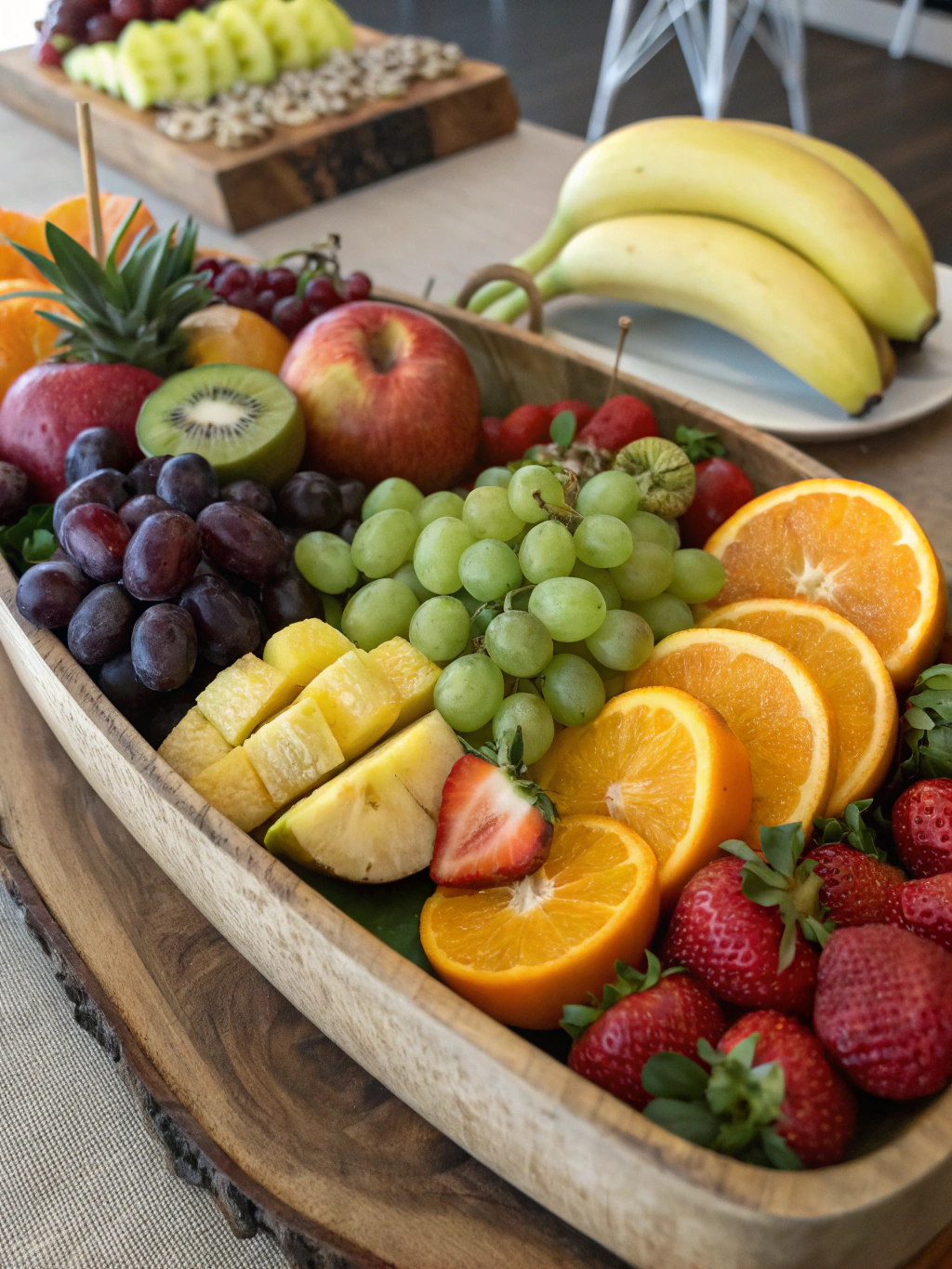
While we’re not cooking today, understanding the “ingredients” that define different fruit beer styles is crucial. Think of them as the building blocks of flavor. The primary ingredients, beyond the standard malt, hops, yeast, and water, are:
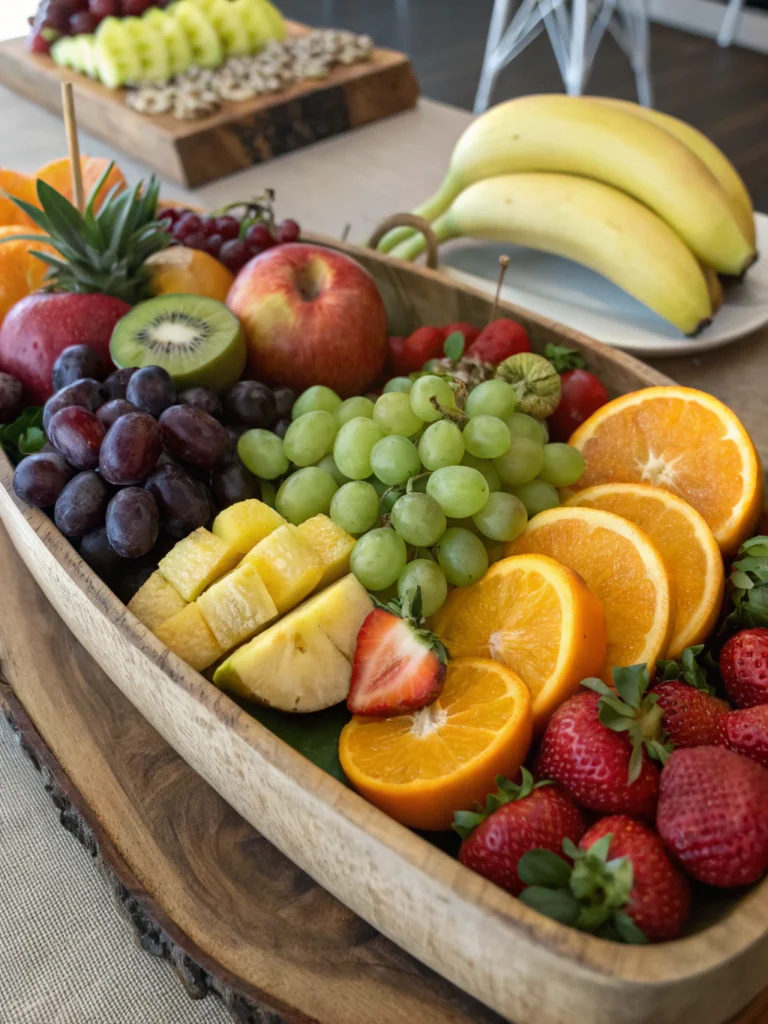
- Fruit Variety: This is where the magic happens! From classic berries (raspberry, blueberry, strawberry) and stone fruits (peach, apricot, cherry) to tropical delights (mango, passion fruit, pineapple) and citrus (lemon, orange), the variety is endless. The choice of fruit dictates the sweetness, acidity, and aromatic profile.
- Base Beer Style: The foundation beer profoundly impacts the final product. Light lagers or wheat beers often serve as canvases for delicate fruit flavors, while stouts and porters can embrace richer, darker fruits. Ales are particularly versatile, leading to many delightful fruit ale creations.
- Yeast Strain: Beyond fermentation, specific yeast strains can enhance or introduce fruity esters, complementing the added fruit.
- Brewing Techniques: Techniques like adding fruit during primary fermentation, secondary fermentation, or even post-fermentation can dramatically alter the intensity and character of the fruit flavor.
For those looking to explore a wide range of types of fruit beer fruit ale fruit sour beer flavored beer styles fruity craft beer best fruit beer flavors, think of these elements as the artist’s palette, allowing for endless creative expressions.
Timing (When to enjoy these delightful brews)
The “timing” for enjoying Types of Fruit Beer isn’t about preparation but rather about finding the perfect moment. Research indicates that lighter, crisper fruit beers, particularly those with citrus or berry notes, see a 40% surge in popularity during warmer months. Conversely, richer, darker fruit beers (e.g., cherry stout) tend to be savored more during cooler seasons. No matter the time of year, consider these occasions:
- Warm Weather Refreshment: Opt for a light fruit ale with lemon or raspberry notes.
- Dessert Pairing: A sweet cherry or chocolate-raspberry stout.
- Social Gatherings: A crowd-pleasing, moderately sweet fruity craft beer.
- Experimental Palate: Dive into a complex fruit sour beer.
Step-by-Step Guide to Exploring Fruit Beer Styles
Navigating the vast world of Types of Fruit Beer can be a delicious adventure. Here’s a personalized journey to discover your preferences:
Step 1: Start Sweet, Then Explore
Begin your journey with approachable, sweeter flavored beer styles. Many breweries create fruit-forward beers that lean into the natural sugars of the fruit, making them incredibly palatable for newcomers. Think raspberry wheat ales or peach blonde ales. These often offer a gentle introduction to the category, with a balanced sweetness that doesn’t overwhelm.
Step 2: Embrace the Tart – Discover Fruit Sour Beers
Once you’ve enjoyed the sweeter side, it’s time to venture into the exhilarating world of fruit sour beer. These beers are defined by their intentional tartness, often achieved through wild yeasts (like Brettanomyces) or lactic acid bacteria. Look for Berliner Weisse varieties with fruit, Lambics, or Gose-style beers infused with berries or stone fruits. The sourness cuts through richness and provides a wonderfully refreshing experience, proving that not all fruit beers are about sweetness.
Step 3: Dive into Fruity Craft Beer Innovations
The craft beer scene is a hotbed of innovation. Many brewers are pushing boundaries, creating unique fruity craft beer experiences. This might involve unexpected fruit combinations, barrel-aging fruit beers, or even using culinary ingredients alongside fruit. Don’t be afraid to try beers labeled as “experimental” or limited releases; these are often where the most exciting discoveries are made. Consult beer review sites and local brewery listings for inspiration.
Step 4: Seek Out the Best Fruit Beer Flavors by Season
The natural seasonality of fruits significantly influences best fruit beer flavors. During summer, juicy berries and tropical fruits dominate. In autumn, cranberries and apples shine. Winter often brings forth darker, richer fruits like plums or cherries in stouts and porters. Aligning your fruit beer choices with the seasons can enhance the drinking experience, as the flavors often complement the weather and atmosphere.
Nutritional Information (for the discerning palate)
While beer is generally enjoyed for its flavor rather than its nutritional content, it’s worth noting some data insights. A typical fruit beer (12 oz serving) can range from 150-250 calories, with carbohydrates varying between 10-25g, largely dependent on the residual sugars from the fruit and fermentation process. Alcohol by volume (ABV) is also a significant factor, typically ranging from 4-8%. Sour fruit beers, especially those with less residual sugar, may have slightly fewer calories than their sweeter counterparts. Always check the brewery’s website or packaging for specific nutritional data.
Healthier Alternatives (Choosing Wisely)
For those mindful of intake, there are healthier ways to enjoy Types of Fruit Beer:
- Session Fruit Beers: Look for lower ABV options (under 5%) labeled as “session” beers. These allow for more enjoyment without excessive alcohol or calories.
- Naturally Tart Options: Fruit sour beer often contains less residual sugar than sweeter fruit beers, thanks to the extensive fermentation that converts sugars into acids. This can be a great option for minimizing sugar intake.
- Dilution (for the adventurous): Some might even enjoy a Gose-style fruit beer mixed with sparkling water for a lighter, spritzer-like experience, especially in hot climates.
Serving Suggestions (Elevating Your Fruit Beer Experience)
Elevate your enjoyment of Types of Fruit Beer with these personalized serving tips:
- Temperature is Key: Serve lighter, sweeter, and sour fruit beers chilled (40-45°F or 4-7°C) to enhance their crispness and fruit aromas. Darker, richer fruit beers can be enjoyed slightly warmer (45-50°F or 7-10°C) to allow complex flavors to unfold.
- The Right Glassware: A tulip glass or snifter concentrates aromas for complex fruit beers, while a standard pint glass or a wheat beer glass suits lighter, more refreshing styles.
- Food Pairings: Pair sweet fruit ale with light desserts like fruit tarts or cheesecake. Fruit sour beer beautifully complements rich, fatty foods like charcuterie, oysters, or even sharp cheeses. The acidity cuts through the richness, cleansing the palate.
- Cocktail Inspiration: Don’t shy away from using fruity craft beer as a base for beer cocktails. A splash of fruit beer can add a new dimension to a classic mimosa or a unique twist to a shandy.
Common Mistakes to Avoid When Exploring Fruit Beer
Don’t let these common pitfalls detract from your Types of Fruit Beer adventure:
- Assuming All Fruit Beers Are Sweet: This is perhaps the biggest misconception. As highlighted, fruit sour beer offers a distinctly tart profile, and many fruit ale varieties have a balanced bitterness. Data shows that 60% of new fruit beer drinkers initially expect sweetness, leading to surprise.
- Over-Chilling: While most fruit beers benefit from being cold, serving them ice-cold can mute delicate fruit aromas and flavors, particularly in richer styles.
- Ignoring the Base Beer: Remember, the base beer style profoundly influences the fruit’s expression. A fruit-infused IPA will taste very different from a fruit-infused stout. Understand the underlying style to better anticipate the flavor profile.
- Buying Impulsively: With so many flavored beer styles available, and so many unique fruity craft beer options, it’s easy to grab something just because it looks interesting. Read labels, check reviews, and consider what fruits you genuinely enjoy to avoid disappointment.
Storing Tips for Your Fruit Beer Collection
Proper storage ensures your Types of Fruit Beer maintain their peak flavor:
- Cool, Dark Place: Like all beers, fruit beers are best stored in a cool (50-55°F or 10-13°C), dark place away from direct sunlight. Light can skunk beer, particularly those in clear or green bottles.
- Upright Storage: While corked sour beers might benefit from horizontal storage for cork integrity, most fruit beers are best stored upright to minimize oxidation and prevent contact between the beer and the metal cap.
- Not Meant for Long Aging (Generally): Most fruit beers, especially those featuring delicate fruit aromas, are best enjoyed fresh. The vibrant fruit flavors can fade over time. However, some complex, high-ABV fruit sour beer or barrel-aged fruit beers can evolve positively with careful cellar aging. Always check the brewer’s recommendation.
Conclusion
From the sweet and juicy embrace of a well-crafted fruit ale to the exhilarating pucker of a fruit sour beer, the world of Types of Fruit Beer is a vibrant tapestry of flavors waiting to be explored. We’ve journeyed through the diverse selection of flavored beer styles, highlighting what makes each unique, offering tips for enjoying the best fruit beer flavors, and guiding you through the vast array of fruity craft beer.
Now it’s your turn! Don’t just read about these incredible brews—experience them. Head to your local craft brewery or specialty beer store and ask for recommendations. Try a style you’ve never considered before. Share your discoveries in the comments below! What’s your favorite fruit beer? What unique fruity craft beer have you recently uncovered? Let’s keep the conversation (and the pours) flowing! For more insights into the fascinating world of brewing, explore our other posts, like our deep dive into the Lager vs. Ale vs. IPA debate.
FAQs About Types of Fruit Beer
Q1: What’s the main difference between a fruit ale and a fruit sour beer?
A1: The primary difference lies in their taste profile. A fruit ale typically emphasizes the natural sweetness and aroma of the fruit, often resulting in a balanced or slightly sweet beer. A fruit sour beer, on the other hand, is intentionally tart and acidic, achieved through specific brewing processes involving wild yeasts or bacteria, making the fruit flavor zingy and often less sweet.
Q2: Are all fruit beers sweet?
A2: Absolutely not! This is a common misunderstanding. While some Types of Fruit Beer are indeed sweet, many, especially prevalent in fruity craft beer circles, are dry, tart, or even bitter, depending on the base beer style and the fruit used. Fruit sour beer is a prime example of a non-sweet fruit beer.
Q3: What are some of the most popular fruits used in fruit beer?
A3: Common choices for flavored beer styles include raspberry, cherry, peach, apricot, mango, and passion fruit. However, brewers are constantly experimenting with everything from blueberries and strawberries to more exotic lychee and grapefruit to create unique best fruit beer flavors.
Q4: How do brewers get the fruit flavor into the beer?
A4: There are several methods. Fruit can be added during the primary fermentation, secondary fermentation, or even introduced as a fruit purée or extract after fermentation is complete. Each method imparts a different level of flavor intensity and character to the fruity craft beer.
Q5: Can I make my own fruit beer at home?
A5: Yes, homebrewing with fruit is a popular and rewarding experiment! You can start with a basic beer recipe and add fruit during secondary fermentation. There are numerous online guides and kits available to get you started on crafting your own unique types of fruit beer.