Introduction
If you’re new to the world of wine,Wine for Beginners the choices can feel endless — red, white, rosé, sweet, dry, sparkling, still. Don’t worry. This simple wine guide for beginners will help you understand the key differences between red, white, and rosé wines so you can confidently choose a bottle that matches your taste and occasion.
Whether you’re hosting a dinner, exploring your first wine tasting, or just enjoying a glass after work, this guide breaks down everything you need to know — from taste profiles to pairing tips.
Table of Contents
Understanding the Basics of Wine for Beginners
Learn more about basic wine making techniques on Wine Folly.”
Purpose: Trusted source for beginner-friendly wine guides, tasting charts, and visual infographics.
What Exactly Is Wine?
Wine is made from fermented grapes. The fermentation process — where yeast converts sugar into alcohol — is what creates wine’s rich flavors and aromas.
How Wines Differ
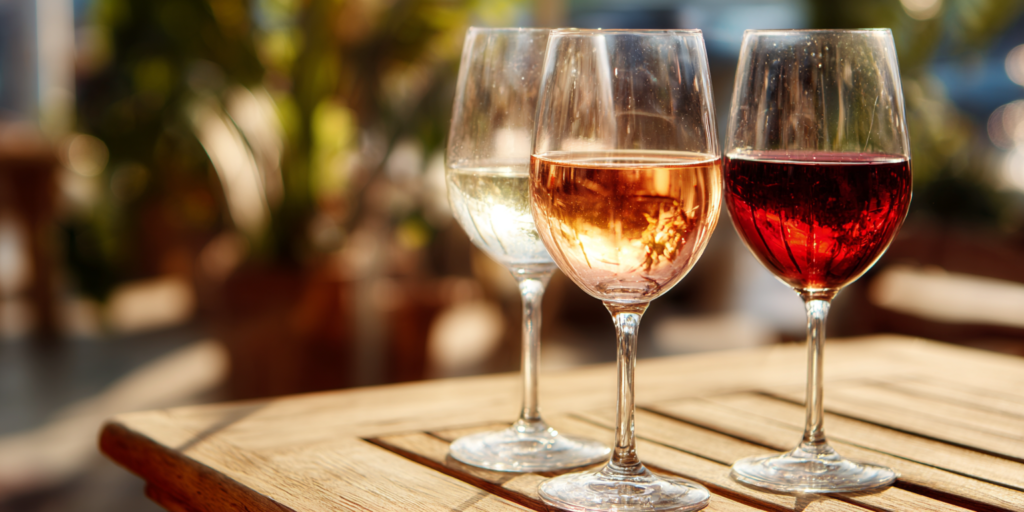
The main difference between red, white, and rosé wines comes from how the grapes are processed:
- Red wine is made with grape skins, seeds, and sometimes stems, giving it a deep color and bold flavor.
- White wine is usually made from green or yellow grapes without skins, resulting in a lighter, crisp taste.
- Rosé wine sits between red and white, made with minimal skin contact for a blush pink color and a refreshing, fruity flavor.
Learn more about basic wine making techniques on Wine Folly.
Red Wine for Beginners
Flavor Profile
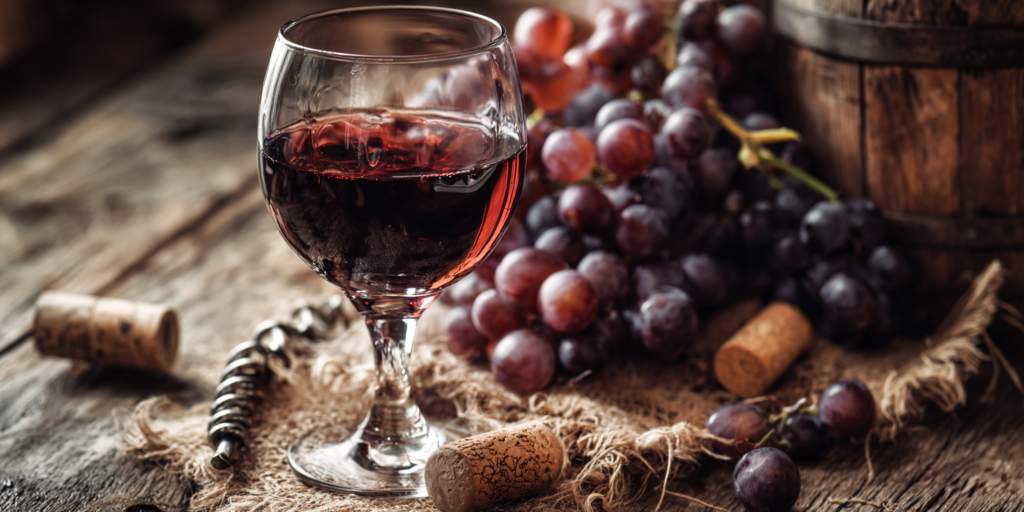
Red wines are known for their boldness, tannins, and complex flavors. They often feature notes of blackberries, cherries, chocolate, and spice.
Common Red Varieties
- Cabernet Sauvignon: Full-bodied, with rich dark fruit and oak flavors.
- Merlot: Smooth and fruity — great for first-timers.
- Pinot Noir: Light-bodied, soft, and elegant.
Serving Tips
Red wine is best served slightly below room temperature (around 60–65°F).
👉 Tip: Let your bottle “breathe” for 15–20 minutes before pouring.
For more red wine pairing ideas, check out Decanter’s beginner wine guides.
White Wine for Beginners
Flavor Profile
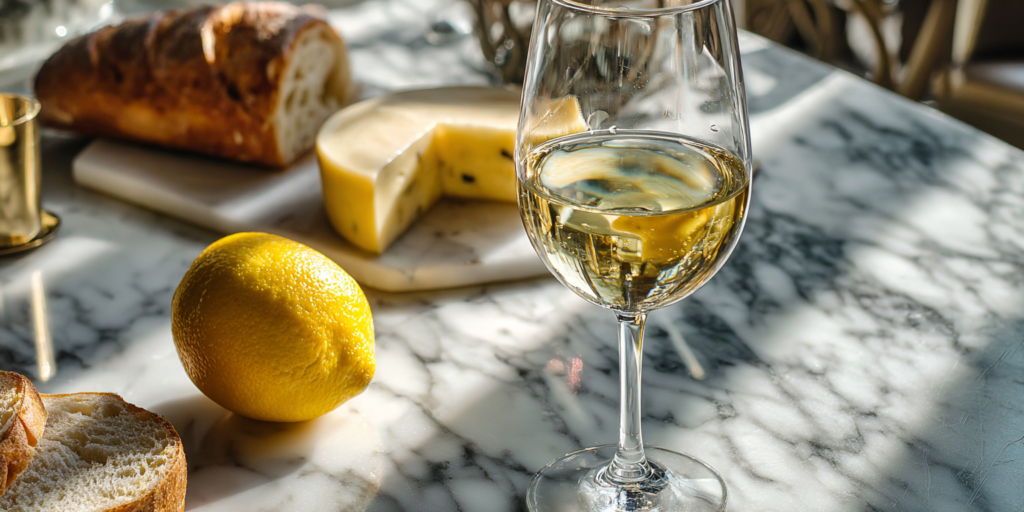
White wines are generally lighter, crisp, and refreshing. They often feature flavors of citrus, green apple, pear, or floral notes.
Common White Varieties
- Chardonnay: Creamy and rich, often with vanilla or buttery tones.
- Sauvignon Blanc: Zesty and bright with grassy or tropical fruit flavors.
- Riesling: Sweet and aromatic — ideal for those who prefer milder wines.
Serving Tips
White wine should be chilled (around 45–50°F) before serving. This enhances freshness and balances acidity.
Part 4: Rosé Wine — The Perfect Middle Ground
Why Rosé Is a Great Starting Point
Rosé combines the freshness of white wine with the fruitiness of red. It’s approachable, light, and pairs easily with most foods — from salads and seafood to pizza.
Popular Rosé Varieties
- Provence Rosé (France): Dry, crisp, and elegant.
- White Zinfandel (USA): Sweet, fruity, and easy to enjoy.
- Tempranillo Rosé (Spain): Medium-bodied and food-friendly.
Discover rosé pairings on Wine Enthusiast.
How to Taste Wine Like a Pro (Even as a Beginner)
- See – Look at the color and clarity.
- Swirl – Release the aromas by gently swirling your glass.
- Smell – Inhale deeply and notice fruit, spice, or floral notes.
- Sip – Take a small sip and let it coat your tongue.
- Savor – Notice how long the flavor lingers after swallowing.
Check out MasterClass’s wine tasting tips to improve your skills.
Pairing Wine with Food
| Type | Best Pairings |
|---|---|
| Red Wine | Steak, lamb, pasta with tomato sauce |
| White Wine | Fish, chicken, creamy pasta |
| Rosé Wine | Salads, appetizers, grilled seafood |
Pro tip: Match intensity — bold wines go with rich dishes, light wines with delicate meals.
Common Mistakes Beginners Make
- Serving wine at the wrong temperature.
- Storing bottles upright for long periods.
- Judging quality only by price.
- Skipping hydration — always drink water between glasses.
The 30-30 Rule Explained
The “30-30 rule” is a simple wine storage trick:
- 30 minutes before serving white wine, take it out of the fridge.
- 30 minutes before serving red wine, put it in the fridge.
This ensures both reach the perfect temperature for taste balance.
Beginner’s Shopping Tips
- Start with mid-priced bottles ($10–$20).
- Choose wines from reliable regions (California, Italy, France, Spain).
- Don’t be afraid to try wine flights or sampler packs to discover your taste.
FAQ Section
What is the easiest wine to drink for beginners?
Riesling or Rosé are great starter wines — light, fruity, and slightly sweet, perfect for those new to wine.
Which wine is better for beginners, red or white?
Start with white wine or light-bodied reds like Pinot Noir. They’re smoother and easier to enjoy.
What is the 30 30 rule for wine?
It’s a serving temperature guide — chill red wines for 30 minutes and remove white wines from the fridge 30 minutes before serving.
Is rosé good for beginners?
Absolutely! Rosé is refreshing, versatile, and easy to love — ideal for anyone exploring wine for the first time.
Conclusion
Understanding wine doesn’t have to be intimidating. Whether you prefer the richness of red, the crispness of white, or the freshness of rosé, the key is exploring and finding what pleases your palate. Over time, your preferences will evolve — just enjoy the journey, one glass at a time.